形意拳
Xíng Yì Quán
The Fist of Form and Intent
拳無拳,意無意,無意之中是真意
"No fist, no intent — within no-intent lies the true intent."
— Li Luoneng 李洛能, Founder of Xing Yi Quan
Scroll
Name & Meaning

What the Name Reveals

名義釋解

The three characters of 形意拳 (Xíng Yì Quán) encode the art's entire philosophy. Xíng (形) means "form" — the external manifestation of movement, the body taking on the qualities of animals, elements, and natural forces. (意) means "intent" or "mind-will" — the internal directive power that precedes and governs all physical action. Quán (拳) means "fist." Together: the fist in which outer form and inner intent are unified as one.

The name encapsulates the art's foundational demand: that no technique is practiced as mere physical movement, and no mental intent is cultivated apart from its physical expression. Form without intent is hollow gymnastics. Intent without form is formless dreaming. The entire purpose of Xing Yi Quan's training — from the most basic three-body posture (sāntǐ shì 三體式) through the five elemental fists and twelve animal forms — is to forge these two dimensions into a single inseparable reality.

The art was originally called 心意六合拳 (Xīn Yì Liù Hé Quán — "Heart-Intent Six-Harmony Fist") by its progenitor Jī Jìkě. The "six harmonies" (liù hé 六合) described the art's organizing principle: three internal harmonies (heart-with-intent, intent-with-energy, energy-with-force) and three external harmonies (shoulder-with-hip, elbow-with-knee, hand-with-foot). When Li Luoneng restructured and renamed the art in the mid-19th century, he shifted the emphasis from xīnyì (心意 — heart-intent) to xíngyì (形意 — form-intent), affirming the unity of inner and outer. The six-harmony principle remained embedded in the art's every movement.

Origins & History

From Spear to Fist: The Creation of an Art

源起:化槍為拳

Xing Yi Quan honors Yuè Fēi (岳飛, 1103–1142), the legendary Song Dynasty general, as its spiritual founding ancestor. The tradition holds that Yue Fei — an unparalleled master of the spear — created a fist system by "drawing the spear into empty hands" (tuō qiāng dāng quán), distilling spear combat into unarmed technique. The spear connection remains visible in the art's postures, its forward-driving momentum, and the legendary phrase: qǐ rú fēng, luò rú jiàn — "rise like wind, fall like an arrow."

The historically traceable origin begins with Jī Jìkě (姬際可, 1602–1683), a native of Puzhou, Shanxi, and master of the Six-Harmony Spear. After visiting the Shaolin Temple in Henan and observing two roosters fight, he synthesized the temple's five animal forms with his spear methodology and Daoist principles to create Xīn Yì Liù Hé Quán (心意六合拳). He transmitted it to two main lines: Cáo Jìwǔ toward Shanxi and the Dai family; and Mǎ Xuélǐ toward the Hui communities of Henan where an ancient variant survives to this day.

The pivotal figure in the art's transformation was Lǐ Luònéng (李洛能, c. 1808–1890), known as "Divine Fist Li." After a decade studying the Dai family's Heart-Intent Fist in Shanxi, he returned to Hebei and restructured the art — creating the three-body stance, systematizing the Five Element Fists, expanding the animal forms to twelve, and renaming the art 形意拳. He formally began transmitting it around 1845, opening it far beyond secretive family transmission and establishing the two great branches: the Shanxi (small-frame) and Hebei (large-frame) lines.

Technical Character

The Five Elements & Twelve Animals

五行拳與十二形

Xing Yi Quan's technical system is organized around two frameworks from Chinese natural philosophy: the Five Elements (wǔ xíng 五行) and the Twelve Animals (shí'èr xíng 十二形). These encode distinct biomechanical structures, power qualities, and combat strategies in nature-derived imagery.

劈拳Splitting · Metal
Like an axe splitting wood. Descending arc, splitting power from crown to earth. The primary fist.
鑽拳Drilling · Water
Rising like a drill, penetrating upward. Twisting, coiling, spiraling force.
崩拳Smashing · Wood
Like an arrow released — pure forward explosion. Guo Yunshen's legendary "half-step smashing fist."
炮拳Cannon · Fire
Exploding outward in all directions — block and strike combined in one simultaneous motion.
橫拳Crossing · Earth
The central connecting fist — sweeping horizontally, dominating the center, mother of the other four.

The twelve animal forms — Dragon (龍), Tiger (虎), Monkey (猴), Horse (馬), Alligator (鼉), Rooster (雞), Swallow (燕), Sparrowhawk (鷂), Snake (蛇), Eagle (鷹), Bear (熊) and Tai (鮀) — each encode a specific combat quality and biomechanical training intention. Together the twelve animals give the practitioner a complete vocabulary of movement qualities that the five element fists alone cannot provide.

Foundation
Three-Body Posture
The sāntǐ shì (三體式) is Xing Yi's irreducible foundation. The classics say: "Ten thousand techniques all originate from the three-body posture" (萬法源於三體式). Practitioners hold it — sometimes for an hour at a time — developing root, structural alignment, and the coiled readiness that makes all subsequent power possible.
Power Quality
Whole-Body Unity
Xing Yi's defining combat quality is zhěngjìn (整勁 — whole-body integrated force). The entire body must arrive at the target simultaneously as a single unified mass. Classical formula: "tip-node rises, middle-node follows, root-node drives" (梢節起,中節隨,根節催).
Combat Strategy
Direct Penetration
Unlike Bagua's circular evasion, Xing Yi charges directly into the opponent's center — "entering the body, closing the distance" (shàng fǎ shàng shēn). "Hands and feet arrive together" (手腳齊到). There is no step wasted, no technique without entry, no entry without simultaneously attacking.
Footwork
Rooster Leg, Silkworm Step
The "rooster leg" (jī tuǐ 雞腿) keeps weight on the rear leg with the front barely touching, ready to spring. The "silkworm step" (huáichóng bù 槐虫步) advances like a looper caterpillar — rear foot always following the front — giving a mobile base for explosive distance-covering.
Timing
Speed Like Wind
Classical formula: qǐ rú fēng, luò rú jiàn, dǎdǎo hái xián màn — "rise like wind, fall like an arrow — even after striking down the opponent, it's still too slow." Instantaneous explosive entry from apparent stillness, the transition from complete rest to full-speed strike without visible preparation.
Structure
Three Nodes, Six Harmonies
Every body segment is organized as three nodes (梢/中/根節): tip-mid-root. These must flow in sequence — tip rises first, mid follows, root drives — producing the characteristic "drilling and turning" (zuān fān 鑽翻) quality visible in every Xing Yi technique.
Two Great Branches

Shanxi & Hebei: The Two Frames

山西形意與河北形意

From Li Luoneng's eight principal disciples emerged two distinctly characterized branches — shaped by geography and the personal genius of their inheritors. Both trace directly to the same source, yet their training emphases and movement qualities are measurably different.

Shanxi Branch — Small Frame
山西形意拳(小架)
Transmitted through Che Yongcheng (車永宏) and Song Shirong (宋世榮), the Shanxi line emphasizes internal cultivation, subtle power, and compact movement. The internal development is deeper and more pronounced, with Song Shirong integrating classical Daoist nei-gong texts so thoroughly that his lineage is described as the most internally refined of all Xing Yi branches.
Hebei Branch — Large Frame
河北形意拳(大架)
Transmitted through Guo Yunshen (郭雲深) and Liu Qilan (劉奇蘭), the Hebei line is larger in frame, more openly expressed in power, with greater emphasis on combat practicality. This became the mainstream of modern Xing Yi through the China Martial Arts Society (中華武士會). This lineage — through Shang Yunxiang — is the Hebei large-frame Shang-style branch (尚派形意拳).
Transmission

The Unbroken Line

傳承脈絡 · Shang-Style Hebei Branch

This is the specific chain through which Shang-style Hebei Xing Yi Quan reaches us today — a lineage integrating Li Luoneng's Hebei large-frame system, Guo Yunshen's personal smashing-fist teaching, Li Cunyi's institutionally refined combat Xing Yi, and Shang Yunxiang's extraordinary lifetime synthesis.
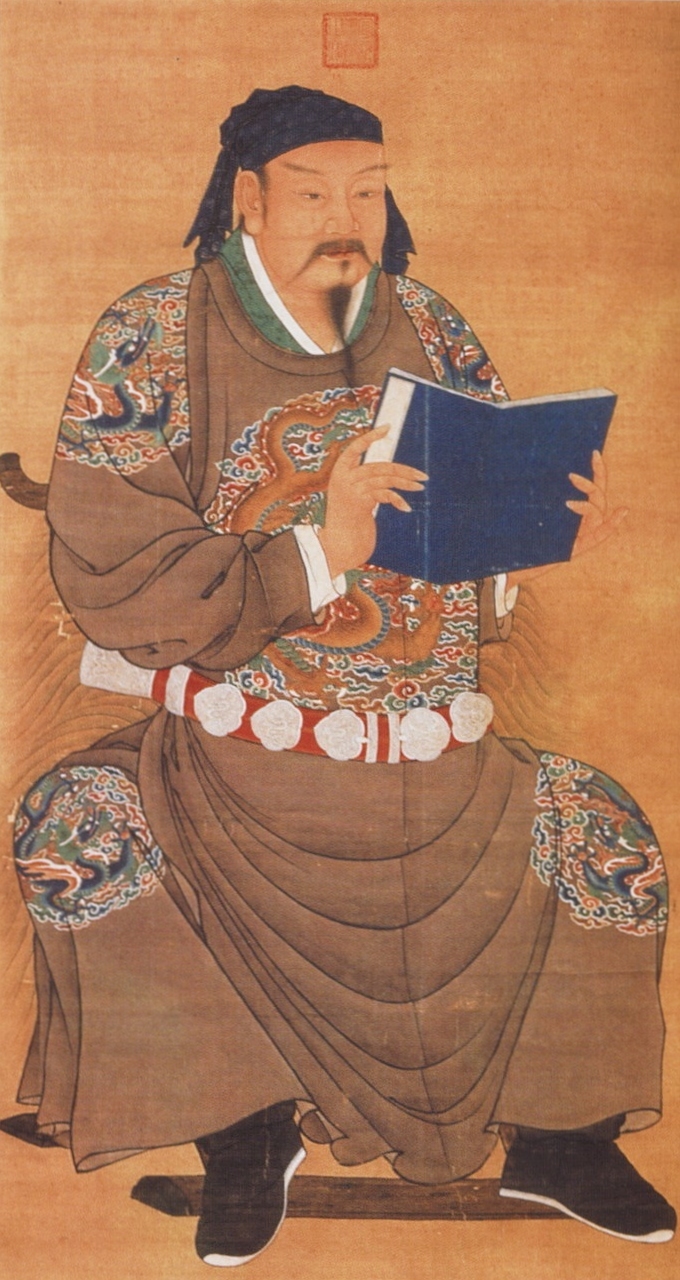
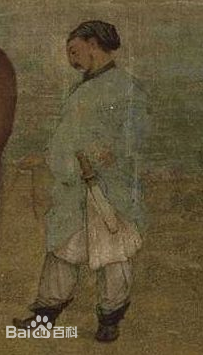
Yuè Fēi
Yuè Fēi
岳飛 — Song Dynasty General · Spiritual Founding Ancestor 1103–1142 · Song Dynasty China
The legendary Song Dynasty general and national hero is honored as the spiritual founding ancestor of Xing Yi Quan. The tradition holds that Yue Fei — supreme master of the Six-Harmony Spear — distilled spear methodology into unarmed combat, creating a system for training his troops by "drawing the spear into empty hands" (tuō qiāng dāng quán 脫槍當拳). Xing Yi's entire combat logic — direct, penetrating, forward-driving — reflects the methodology of spear combat. Executed in 1142 by political enemies after a series of brilliant victories against the Jin Dynasty, Yue Fei was posthumously rehabilitated as China's paradigm of loyal, righteous service. Xing Yi practitioners carry his name as an affirmation that the art exists in service of something greater than personal glory.
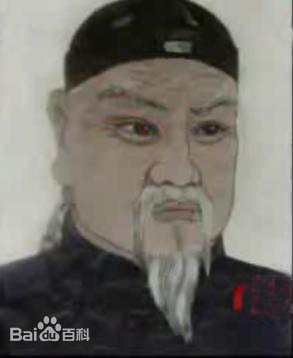
Jī Jìkě
Jī Jìkě
姬際可 — "Dragon Peak" · Creator of Xīn Yì Liù Hé Quán 1602–1683 · Puzhou, Shanxi (today: Yongji)
Born in the final years of the Ming Dynasty in Puzhou, Shanxi, Jī Jìkě (style name: Lóng Fēng 龍峰) was already a supreme master of the Six-Harmony Long Spear when he visited the Shaolin Temple in Henan, residing there for approximately a decade. Inspired by observing two roosters fight, he synthesized Daoist cultivation practices, the temple's five animal forms, and his spear methodology into the foundational art he named 心意六合拳 (Xīn Yì Liù Hé Quán — Heart-Intent Six-Harmony Fist). He transmitted it to two disciples whose lineages would shape Chinese martial arts for centuries: Cáo Jìwǔ, who carried it toward the Dai family of Shanxi; and Mǎ Xuélǐ, who transmitted it among the Hui Muslim communities of Henan where it survives as the ancient "Heart-Intent Fist" to this day. The Shaolin Temple preserves related techniques under the name Xīnyì Bǎ (心意把).
Cáo Jìwǔ
Cáo Jìwǔ
曹繼武 — "Military Champion" · Transmission from Shanxi to the Dai Family 1655–? · Guichi (Qiupu), Anhui Province
Born in Guichi, Anhui Province, Cáo Jìwǔ began training under Jī Jìkě as a youth and studied for over a decade. He went on to achieve the highest honor in the imperial military examinations — the wǔzhuàngyuán (武狀元), the top rank nationwide — and was appointed commander of the Jingyuan garrison in Shaanxi. He is the crucial transmission link between the Shanxi-Henan origin and the Dai family of Qi County (祁縣), Shanxi, where the art's next great transformation would occur. Through his disciple Dài Lóngbāng, Cáo's transmission became the Dai-style Heart-Intent Fist (戴氏心意拳) — the immediate source from which Li Luoneng would later draw to create modern Xing Yi Quan.
Dài Lóngbāng
Dài Lóngbāng
戴龍邦 — Grandmaster of Dai-Style Heart-Intent Fist c. 1713–1802 · Qi County (祁縣), Shanxi
A native of Qi County, Shanxi — heart of the Jin merchant culture that so profoundly shaped Xing Yi's development — Dài Lóngbāng systematized and codified the Dai-style Heart-Intent Fist into the form Li Luoneng would later receive and transform. He wrote the first known theoretical text on the art, the Liù Hé Quán Xù (六合拳序 — Preface to the Six-Harmony Fist, dated 1750), recording the lineage from Yue Fei through Jī Jìkě and Cáo Jìwǔ. This document became the primary historical source for the art's claimed origin. Today, Dai-style Heart-Intent Fist (戴氏心意拳) is still practiced in Qi County as a distinct art separate from the Xing Yi Quan that Li Luoneng later created.
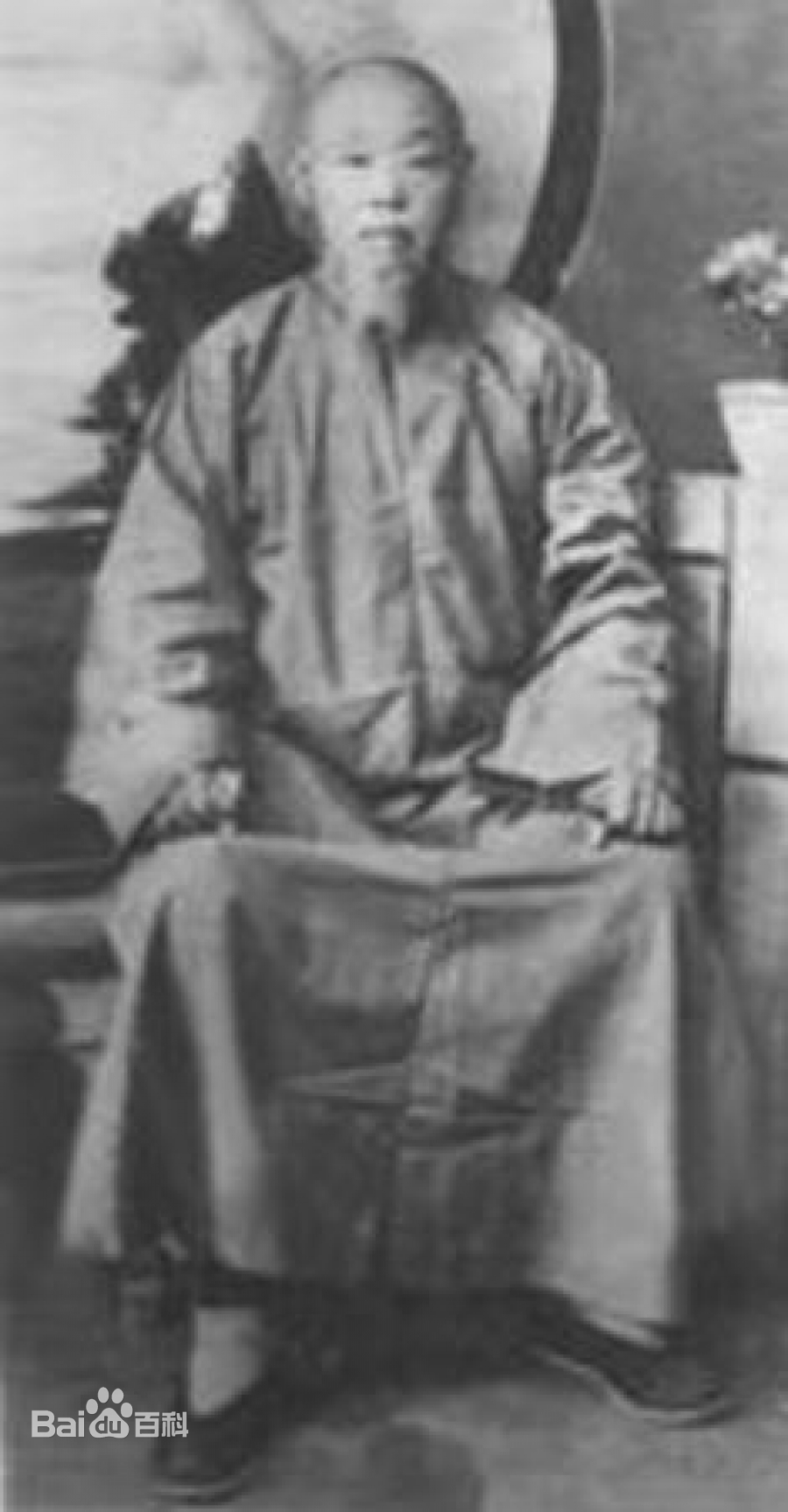
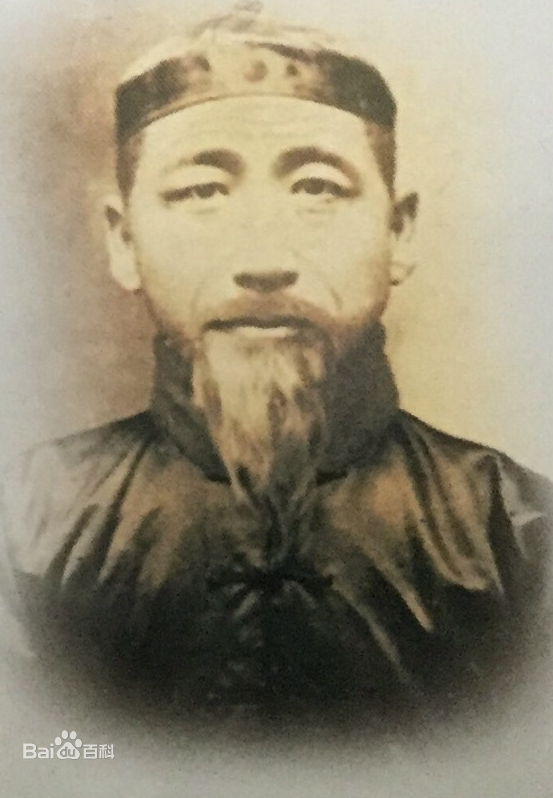
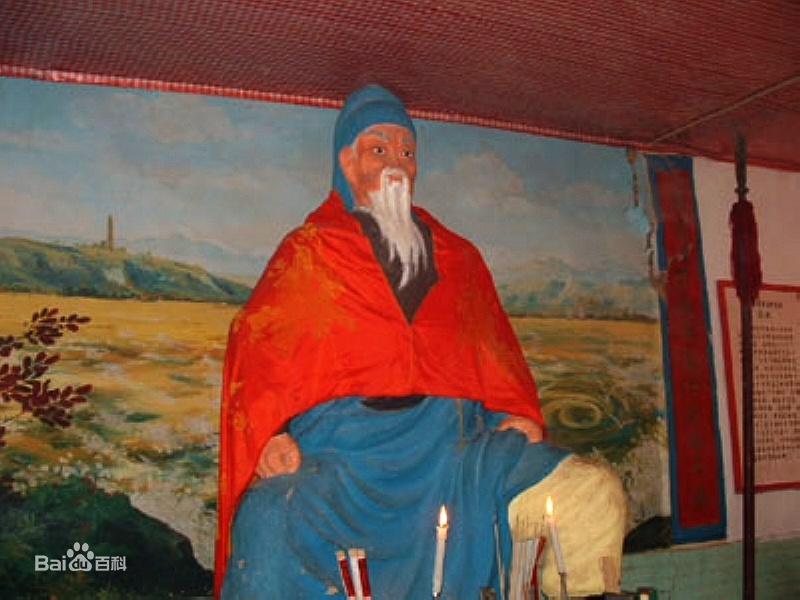
Lǐ Luònéng
Lǐ Luònéng
李洛能 — "Divine Fist" · Founder of Xing Yi Quan 1808–1890 · Shenzhou, Hebei Province
Born Lǐ Fēiyǔ (李飛羽), style name Néngrán, known as "Old Neng" and later Luoneng — a native of Shenzhou County, Hebei. At approximately 37 years of age, while working as a merchant in Shanxi's Taigu County, he sought out the Dai family's Heart-Intent Fist in Qi County and studied under Dài Lóngbāng's son for a decade. Returning to Hebei, he spent years synthesizing what he had received with Daoist internal cultivation theory — creating the three-body stance (sāntǐ shì 三體式) as the universal foundation, systematizing the Five Element Fists (劈鑽崩炮橫), expanding the animal forms to twelve, and renaming the entire system 形意拳 — "Fist of Form and Intent." Around 1845 he began formally teaching under this name. He reached a level the classical texts describe as "no fist, no intent — within no-intent lies true intent" — earning the title Shén Quán (神拳 — "Divine Fist"). He trained eight principal disciples who established the Shanxi and Hebei branches, and it is through his Hebei disciples Guō Yúnshēn and Liú Qílán that this lineage descends.
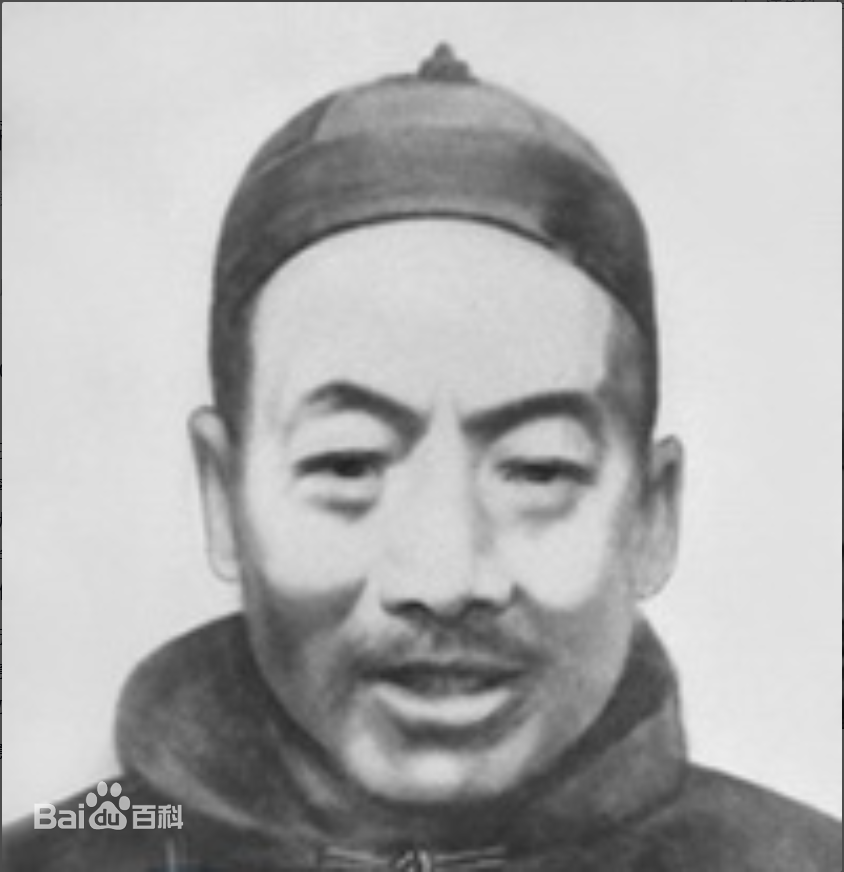
Guō Yúnshēn
Guō Yúnshēn
郭雲深 — "Half-Step Smashing Fist Across All Under Heaven" 1829–1898 · Shenzhou, Hebei Province
From the same region as his teacher Li Luoneng — Shenzhou, Hebei — Guō Yúnshēn was physically compact with a fierce, uncompromising character. Initially struggling to be accepted by Li Luoneng, he was given only one technique: the bēng quán (崩拳 — smashing fist). Guo trained this single technique obsessively for three years before Li finally accepted him as a formal disciple and opened the complete teaching. The result was one of the most feared techniques in Chinese martial history: his bàn bù bēng quán (半步崩拳 — "half-step smashing fist") — an explosive half-step entry with simultaneous fist strike, reportedly undefeated across his entire fighting career. The saying spread: "Half-step smashing fist traverses all under heaven." A violent incident resulted in a prison sentence; confined in leg irons, he continued upper-body practice and reportedly deepened his skill through confinement. In his later years he personally taught Shang Yunxiang — the continuation of this lineage — and also Wang Xiangzhai (王薌齋), founder of Yi Quan.
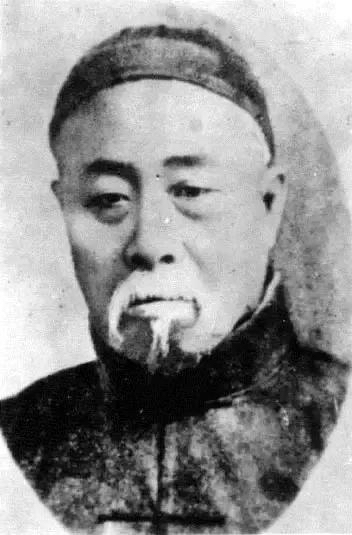
Liú Qílán
Liú Qílán
劉奇蘭 — Senior Hebei Disciple · Teacher of Li Cunyi 1819–1889 · Shenzhou, Hebei Province
Among the most senior and accomplished of Li Luoneng's Hebei disciples — standing alongside Guō Yúnshēn as one of the two pillars of the Hebei large-frame tradition. While Guo was famous for explosive combat power, Liu was renowned for broad, deep transmission: his discipleship produced an extraordinary second generation including Lǐ Cúnyì and Zhang Zhankui (張占魁) — virtually the entire next wave of Hebei Xing Yi's greatness. His disciple Li Cunyi would go on to found the China Martial Arts Society (中華武士會) in Tianjin in 1911 — the most important martial arts institution of the Republican period — ensuring that the Hebei lineage of Li Luoneng's Xing Yi became the mainstream of the entire tradition.
Lǐ Cúnyì
Lǐ Cúnyì
李存義 — "Single-Knife Li" · Founder of the China Martial Arts Society 1847–1921 · Shenzhou, Hebei Province
Born into poverty in Shenzhou County, Hebei — driving carts as a child to survive — Lǐ Cúnyì studied Xing Yi Quan under both Liú Qílán and Guō Yúnshēn, and additionally learned Eight Trigrams Palm from Cheng Tinghua (程廷華), Dong Hai Chuan's great disciple. His mastery of the single broadsword became so feared he was known throughout the martial world as "Single-Knife Li" (單刀李). In 1900, at 53 years old, he personally led his disciples in a nighttime saber assault on Tianjin's Old Dragon Head Railway Station against Russian occupation troops. In 1911, he co-founded the China Martial Arts Society (中華武士會) in Tianjin — the largest civilian martial arts institution in northern China, unifying over fourteen martial traditions. He wrote Quánshù Jiàofàn (拳術教範) and Cìshā Quánpǔ (刺殺拳譜), bringing Xing Yi methodology into military curricula. He was the first to publicly propose calling Chinese martial arts guóshù (國術 — "national arts"). Among his outstanding disciples: Shang Yunxiang, Xue Dian (薛顛), and Fu Jianqiu (傅劍秋).
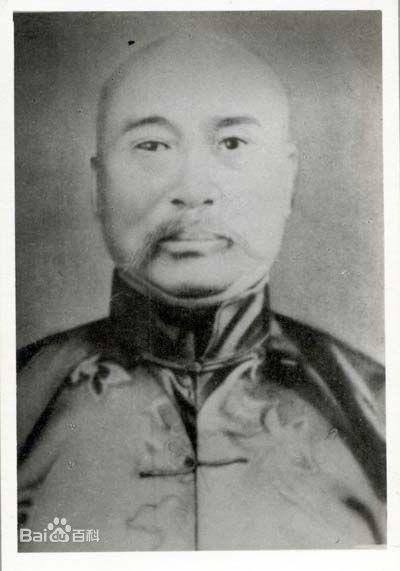
Shàng Yúnxiáng
Shàng Yúnxiáng
尚雲祥 — "Iron-Foot Buddha" · Founder of Shang-Style Xing Yi 1864–1937 · Lecheng, Shandong Province
One of the most celebrated martial artists of Republican-era China and founder of Shang-style Xing Yi Quan (尚派形意拳). Born in Shandong, he came to Beijing as a child, first studying Shaolin power fist for six years. Li Cunyi initially rejected him — calling him a "dwarf candy" (矮糖果) for his slight build — but after years of relentless solo practice of just splitting and smashing fists, Li returned to find a transformed practitioner of extraordinary quality and accepted him fully as his innermost disciple. Through connections in Tianjin, Shang also received direct personal transmission from Guō Yúnshēn himself — one of only two people in the generation to receive this honor. His leg power became legendary — shattering thick bricks with a single stomp — earning the title "Iron-Foot Buddha" (鐵腳佛). In 1931, invited by 29th Army commander Song Zheyuan, he taught the Five-Element Saber Form (五行刀法) to the entire army; these soldiers used the method against Japanese troops at the Battle of Xifengkou (喜峰口) in 1933, achieving a celebrated victory — one of the most documented applications of traditional martial arts in modern warfare. He died October 10, 1937.
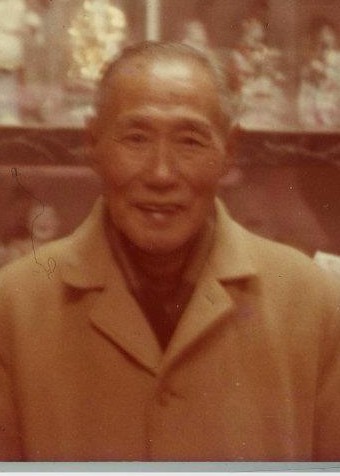
Sāng Dānqǐ
Sāng Dānqǐ
桑丹棨 — Direct Disciple of Shàng Yúnxiáng · Transmission to Taiwan Republican Era China → Taiwan
Sāng Dānqǐ received the Shang-style Xing Yi Quan directly from the master Shàng Yúnxiáng — inheriting the full Hebei large-frame lineage as elevated and refined by Shang's lifetime synthesis: Li Cunyi's complete Xing Yi system, Guo Yunshen's personal transmission of the smashing-fist methodology, and Shang's own distinctive innovations in the "iron-foot floating-step" approach to power development. Through the historical upheaval of the Republican era and the subsequent retreat to Taiwan, Sāng Dānqǐ ensured this complete three-layer transmission survived intact and could be passed to the next generation.
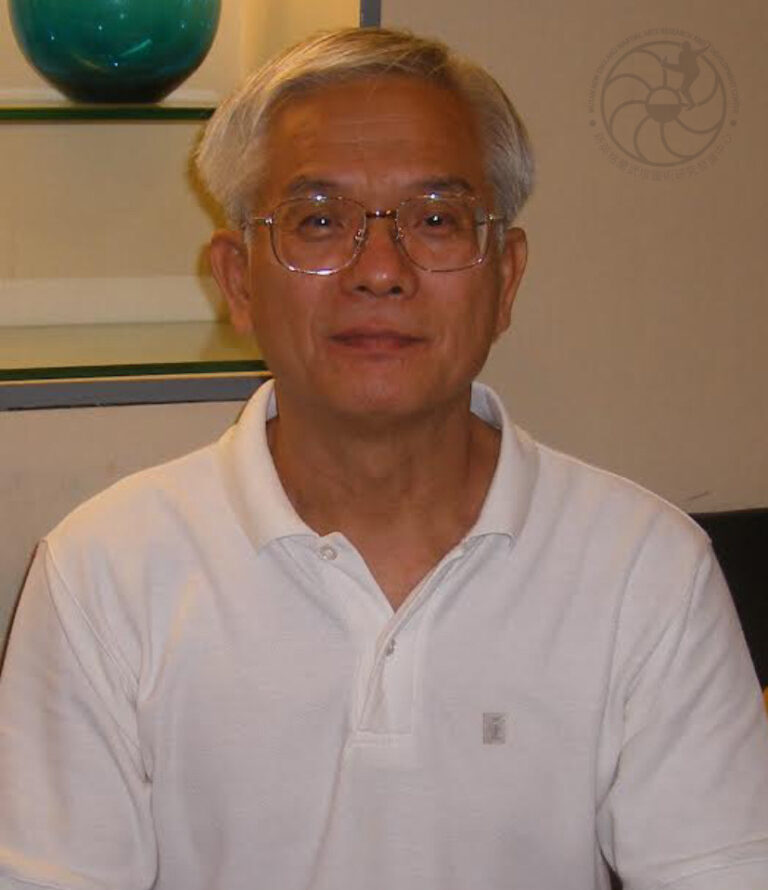
Dài Shìzhé
Dài Shìzhé
戴士哲 — Wu Tan Generation "武" · Direct Disciple of Sāng Dānqǐ Taiwan · Wu Tan System
Dài Shìzhé (Wade-Giles: Tai Shih-Che) holds the first generational rank in Liu Yun Qiao's Wu Tan discipleship system — the character (武), first word of the lineage poem 武壇光輝照耀寰宇. He received the Shang-style Xing Yi Quan directly from Sāng Dānqǐ, inheriting the complete Hebei large-frame tradition as it descended through: Liú Qílán → Lǐ Cúnyì → Shàng Yúnxiáng → Sāng Dānqǐ — carrying all layers: Li Luoneng's foundational restructuring, Liu Qilan's open transmission, Li Cunyi's combat-forged system, and the extraordinary Shang-style synthesis incorporating Guo Yunshen's direct teaching. He is simultaneously a senior Wu Tan disciple of Liu Yun Qiao, receiving the complete Baji Quan, Bagua Zhang, Mantis Fist, and sword curriculum — making him a carrier of multiple complete classical traditions and the transmission point at which this lineage crosses from Taiwan to the Americas.
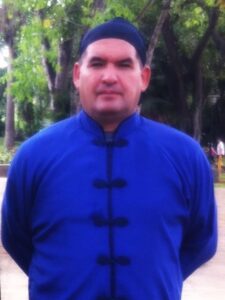
Yuri Jimenez
Yuri Jimenez
學生 — Direct Student of Dài Shìzhé Present Day · Wu Tan / Shang-Style Lineage
Yuri Jimenez received the Shang-style Xing Yi Quan transmission directly from Master Dài Shìzhé, inheriting the full chain: Liú Qílán & Guō Yúnshēn → Lǐ Cúnyì → Shàng Yúnxiáng → Sāng Dānqǐ → Dài Shìzhé. Within this transmission he carries the three-body posture, five element fists, twelve animal forms, and the Shang-style distinctive footwork and internal cultivation methods — as well as the broader Wu Tan curriculum of Baji Quan and Bagua Zhang. His role is to carry this complete system to living students on the far side of an ocean from where it was forged.
Luis Mendez
Luis Mendez
學生 — Student of Yuri Jimenez · Present Day Present Day
Luis Mendez stands at the living terminus of a chain reaching from Song Dynasty battlefields, through the final years of the Ming and the chaos of Qing dynastic transition, through Shanxi mountain villages and Hebei escort agencies, through the blood and fire of Republican China's wars — to a training floor in the present day. Every repetition of the three-body stance, every splitting-drilling-smashing-cannon-crossing fist, every sparrowhawk and bear and dragon form practiced contains the accumulated research of generations of masters. The chain is unbroken. The intent lives in the form.
The Shang Style

What Makes Shang-Style Distinct

尚派形意拳特色

Within the Hebei Xing Yi tradition, Shang-style (尚派形意拳) is recognized as a distinct branch not because it changed the foundational curriculum — the three-body posture, five elements, twelve animals, and key solo and partner forms remain — but because Shang Yunxiang's personal synthesis produced a recognizable quality of movement and power that his students describe as unique.

The most discussed quality is the "light and floating footwork" paradox (輕靈步法). Shang Yunxiang moved with unusual lightness and apparent ease — almost floating — yet when his techniques arrived they carried his legendary "iron-foot" power. This paradox of appearing light while delivering heavy represents the highest expression of the internal principle: "heavy must appear light, and light must deliver heavy." His students report that one could not detect the explosive moment coming; it simply arrived.

The second distinguishing quality is the depth of smashing-fist cultivation. Having received both Li Cunyi's systematic transmission and Guo Yunshen's direct personal teaching of bēng quán, Shang produced a generation that could truly claim the inheritance of "half-step smashing fist traverses all under heaven."

Third: the Five-Element Saber (五行刀法) — the weapons form Shang Yunxiang taught to the 29th Army in 1931, used against Japanese troops at the Battle of Xifengkou (喜峰口) in 1933. One of the most documented applications of traditional martial arts in modern warfare.

"Half-step smashing fist traverses all under heaven — rise like wind, fall like an arrow — even after striking down the opponent, it is still considered too slow."
— Classical saying of the Hebei Xing Yi tradition, attributed to the disciples of Guō Yúnshēn
Historical Path

From Spear to Fist to the World

歷史脈絡
Song Dynasty — 12th Century
General Yuè Fēi — supreme master of the spear and military commander — is revered as the spiritual founding ancestor. Executed in 1142 by political enemies, he is posthumously rehabilitated as China's paradigm of loyal service.
1602–1683
Jī Jìkě of Puzhou, Shanxi creates Xīn Yì Liù Hé Quán — Heart-Intent Six-Harmony Fist. He transmits it to Cáo Jìwǔ (Shanxi/Dai family line) and Mǎ Xuélǐ (Henan Hui communities).
c. 1750 · Qing Dynasty
Dài Lóngbāng writes the Liù Hé Quán Xù — the first written text on the art, recording the lineage from Yue Fei through Jī Jìkě and Cáo Jìwǔ. This document becomes the primary historical source.
c. 1836–1845 · Daoguang Period
Lǐ Luònéng travels to Shanxi, studies under the Dai family for a decade, restructures the art — creating the three-body stance, five element fists, twelve animal forms — and renames it 形意拳. Around 1845 he begins openly transmitting under this name.
c. 1850–1890
Li Luoneng's disciples establish the Shanxi and Hebei branches. Guō Yúnshēn becomes famous for his undefeated "half-step smashing fist." Liú Qílán trains Li Cunyi and Zhang Zhankui, who carry the art into the 20th century.
1900 · Boxer Rebellion
Lǐ Cúnyì, at 53 years old, leads his disciples in a nighttime saber assault on Tianjin's Old Dragon Head Station against Russian occupation troops. Shang Yunxiang fights alongside him.
1911 · Tianjin
Lǐ Cúnyì founds the China Martial Arts Society (中華武士會) — the most significant martial arts institution in northern China, unifying 14+ traditions. Li Shu Wen (八極拳), Zhang Zhankui, and Huo Dian Ge all teach here.
c. 1900–1937
Shàng Yúnxiáng receives both Li Cunyi's full system and direct transmission from Guō Yúnshēn — one of only two people to receive this double honor. He develops his unique "iron-foot floating-step" synthesis and founds the Shang-style branch.
1933 · Battle of Xifengkou (喜峰口)
29th Army soldiers trained in Shang Yunxiang's Five-Element Saber Form engage Japanese troops in night combat at Xifengkou pass, achieving a celebrated victory — one of the most documented applications of traditional martial arts in modern warfare.
1937
Shàng Yúnxiáng passes away on October 10, 1937. His transmission continues through Sāng Dānqǐ and others.
Present Day
Through Sāng Dānqǐ → Dài Shìzhé → Yuri Jimenez → Luis Mendez, the Shang-style Hebei Xing Yi Quan lineage continues its living transmission. The three-body stance, the five-element fists, the twelve animals, the smashing-fist method of Guo Yunshen — all turn once more in a practitioner's body on the other side of the world from where they were forged.

形意拳 · Xíng Yì Quán · The Fist of Form and Intent

Lineage: Yuè Fēi 岳飛 → Jī Jìkě 姬際可 → Cáo Jìwǔ 曹繼武 → Dài Lóngbāng 戴龍邦 → Lǐ Luònéng 李洛能 →
Liú Qílán 劉奇蘭 & Guō Yúnshēn 郭雲深 → Lǐ Cúnyì 李存義 → Shàng Yúnxiáng 尚雲祥 → Sāng Dānqǐ 桑丹棨 →
Dài Shìzhé 戴士哲 → Yuri Jimenez → Luis Mendez

Shang-Style Hebei Branch (尚派河北形意拳) · Wu Tan System (武壇系)

Historical sources: 中國非物質文化遺產數字博物館 · 香港01武備志 · 中華易宗內家武學研究會(台灣)·
知乎形意拳史料 · 百度百科形意拳 · 形意拳的源流(chinulture.com)· 博客來《李存義岳氏意拳》