Doctor of Jurisprudence · Licensed Doctor of Traditional Chinese Medicine · Taoist Practitioner
A Journey from Venezuela to the Source — and Back to The United States
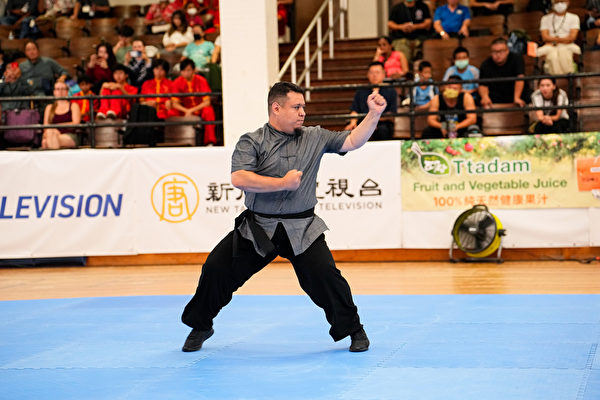
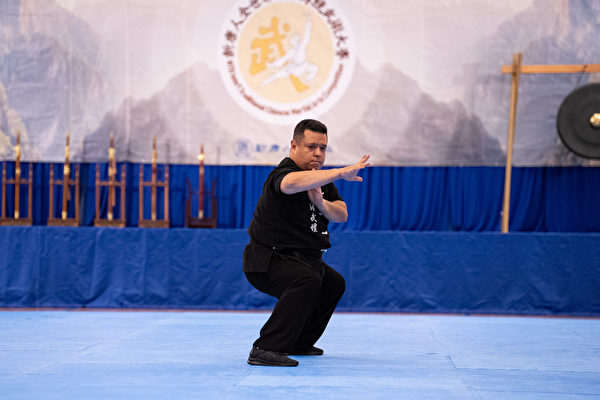
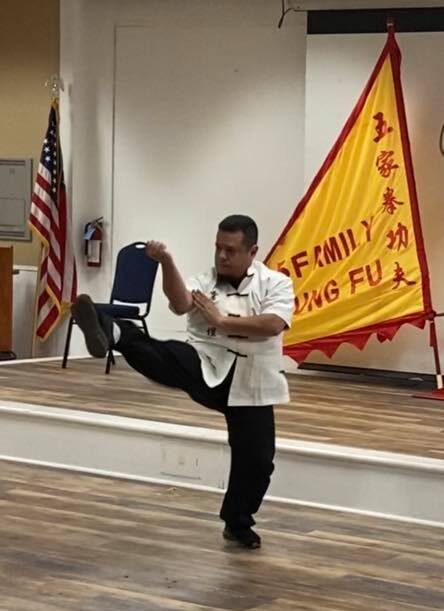
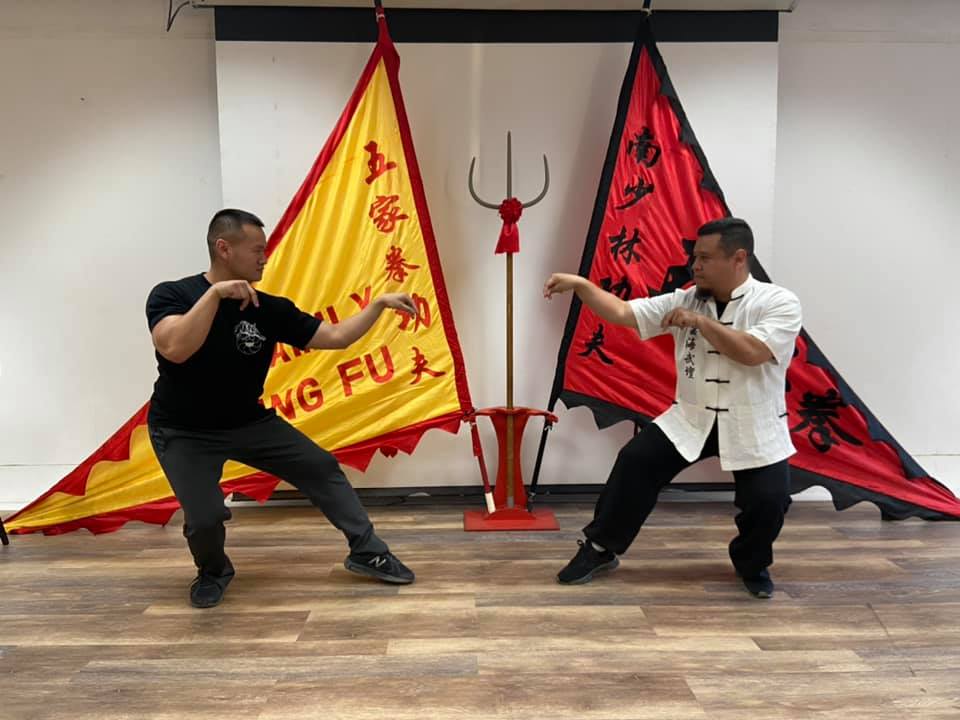
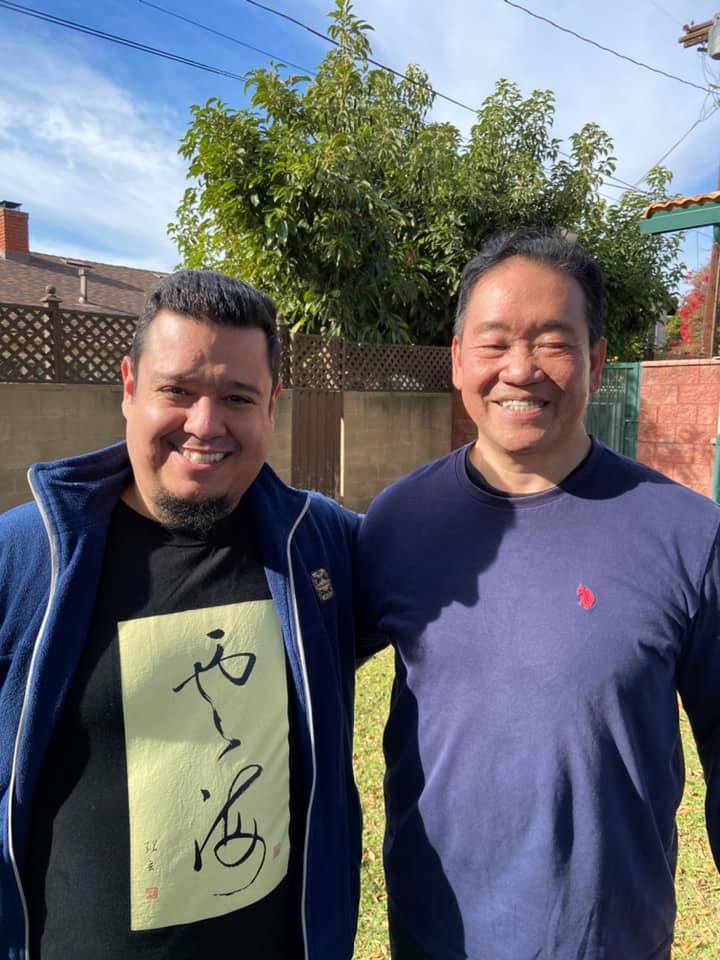
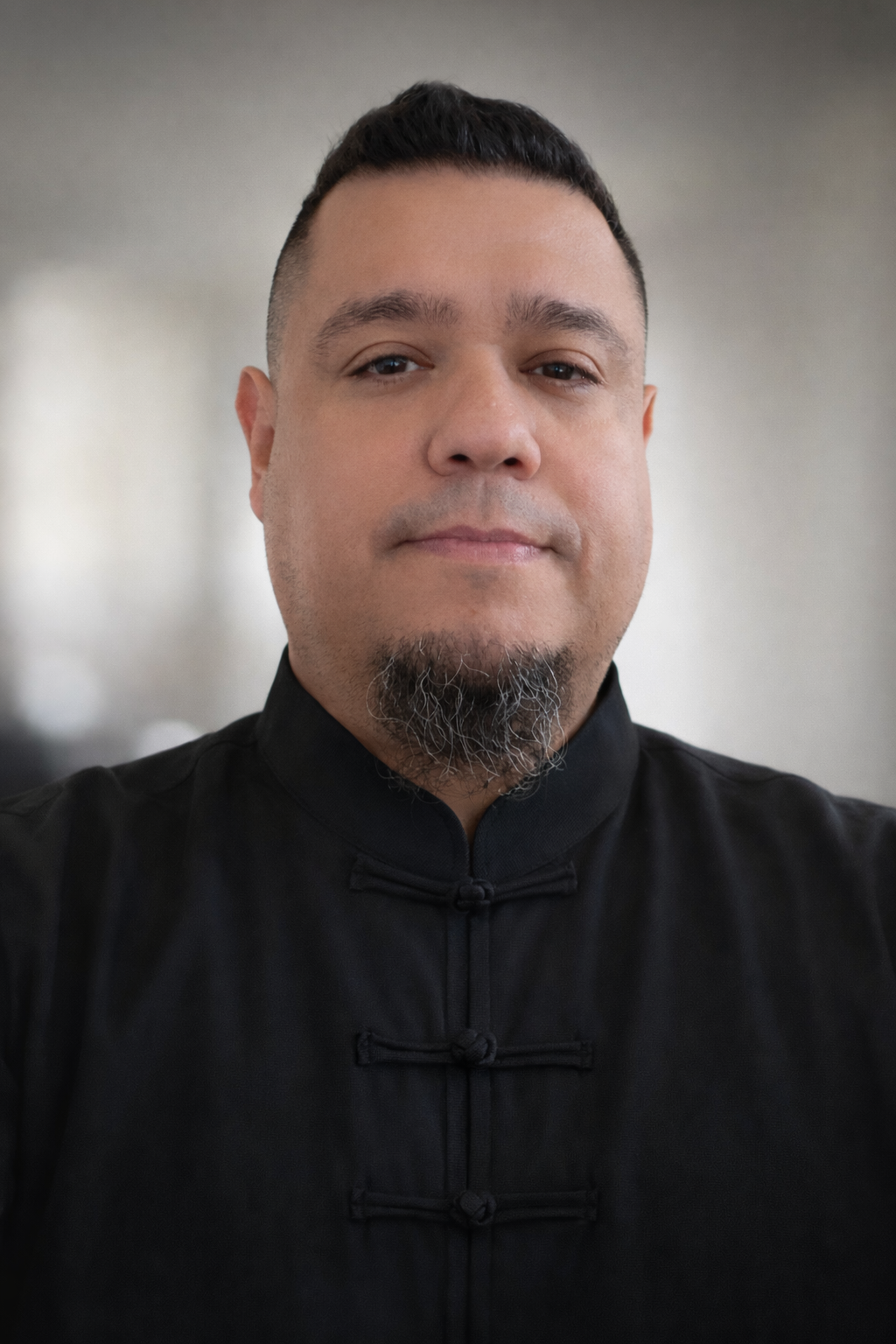
Shifu Luis Mendez began his martial arts journey at the age of four in Venezuela, training in traditional Shito-Ryu Japanese Karate. That early immersion in disciplined practice set a course that would eventually lead him to the heart of the Chinese martial arts tradition — and, years later, to The United States, where he now directs Wu Tan New England, located in Virginia Beach, VA, as the authorized continuation of a lineage stretching back to the founding masters of twentieth-century northern Chinese martial arts.
His path into the Chinese arts began under the guidance of Master Yuri Jimenez, who — after years of dedicated practice — accepted him as a Dì Zǐ (弟子 — Closed-Door Disciple), making Luis his first and Senior Disciple of the school. Under Master Jimenez, Luis studied the complete Wu Tan curriculum: beginning with Praying Mantis Fist and Long Fist, and progressing through Bagua Zhang, Pigua Zhang, Baji Quan, Xing Yi Quan, and Taiji Quan.
What makes Shifu Luis Mendez's profile unusual within the international Wu Tan community is the breadth of his formation beyond the martial arts themselves. He holds a Juris Doctor degree, has served as a university professor of Philosophy and Political Economy, graduated as a licensed practitioner of Traditional Chinese Medicine from the Tao Te King Institute of Chinese Medicine in Caracas, and has maintained a practice of Taoist cultivation since 1999. These disciplines do not exist alongside his martial practice — they inform it. His understanding of the body through classical Chinese medicine, his philosophical grounding, and his internal cultivation practice give him a depth of perspective that is increasingly rare among practitioners of this generation.
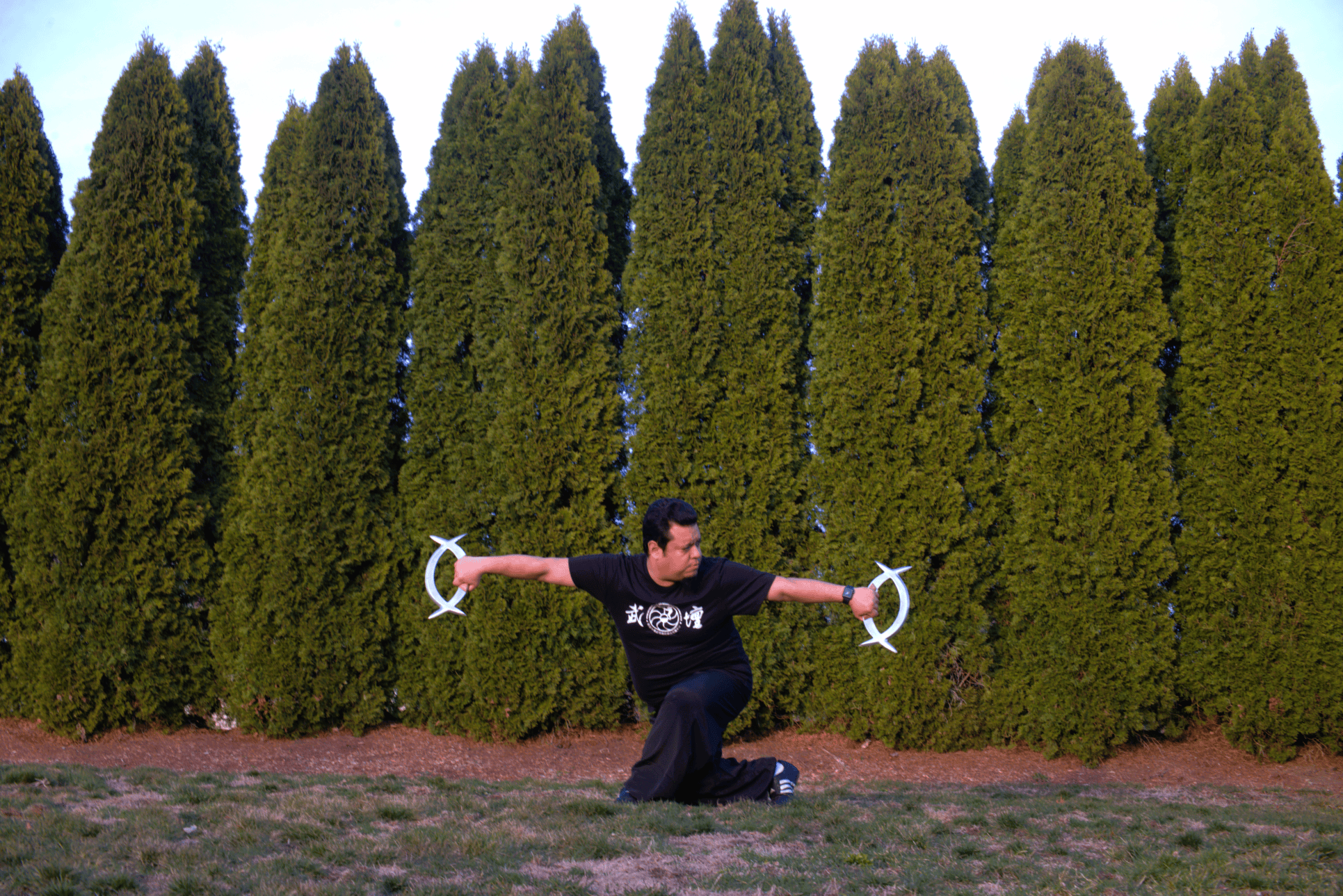
The Deer Horn Knives
La Roca Martial Arts Academy — A Gathering Place for the Arts
In 2002, Luis Mendez founded "La Roca" Martial Arts Academy in Venezuela — a project born from a genuine practical need. At the time, the city's martial arts practitioners were scattered across dance studios, public parks, and temporary spaces with no permanent home and no common institutional center. La Roca brought them together.
The academy was conceived as more than a training hall. It functioned as a dedicated learning institution — structured, like a university, around regular class schedules, specialized instructors, and a curriculum accessible to students of all ages and disciplines. Within its walls, people could commit to a specific art and learn it properly: from qualified instructors, in a space designed for the purpose, surrounded by a community of fellow practitioners.
For fourteen years, La Roca served as a hub for martial arts culture in its city — fostering a generation of practitioners who grew together through sport, discipline, and shared tradition. Its closure in 2016, forced by Venezuela's deepening economic and political crisis, marked the end of a chapter. But the practitioners it formed, and the culture it cultivated, carried forward everything that had been built there.
At the Source — Training with Grandmaster Dài Shìzhé in Taipei
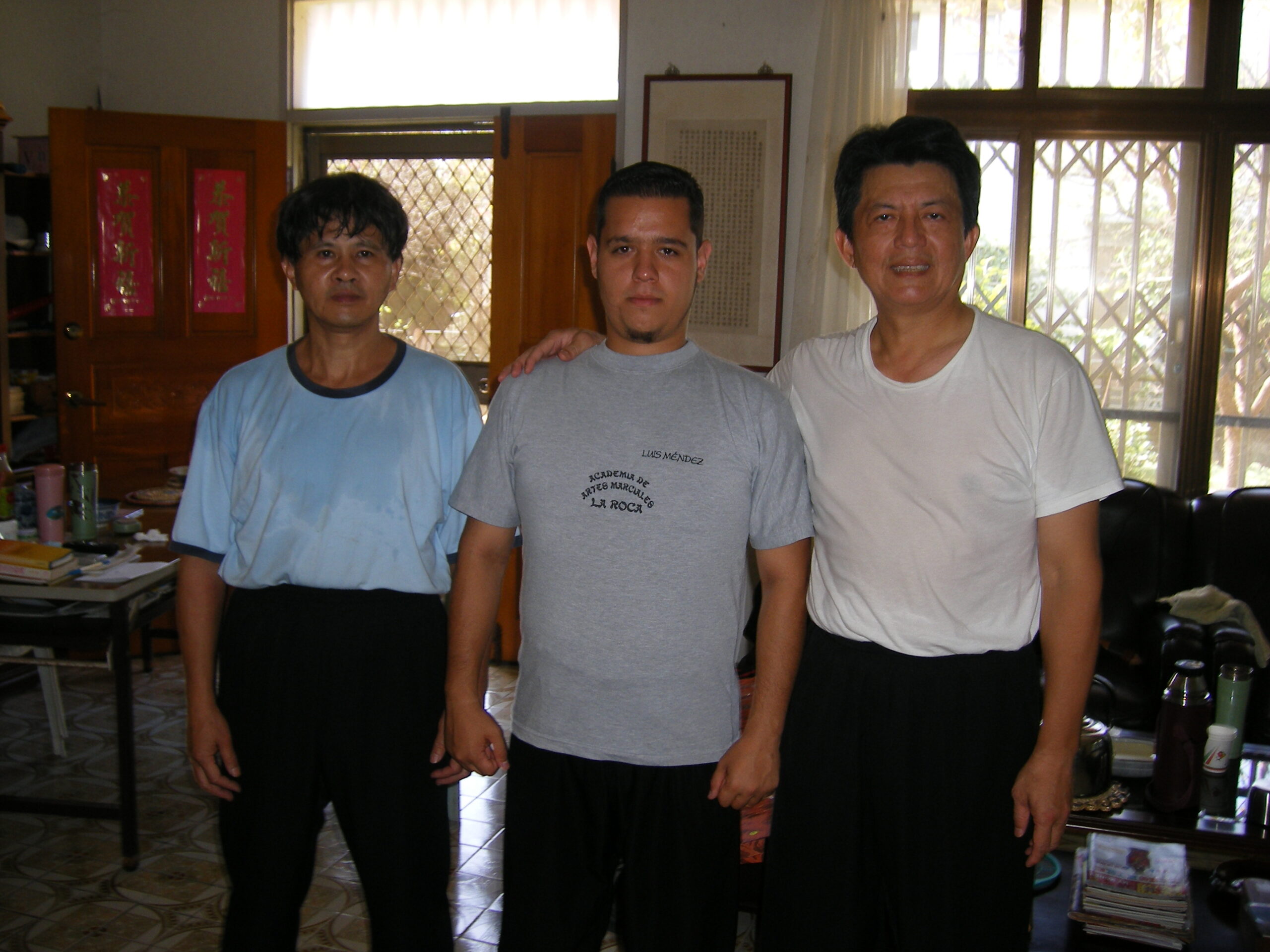
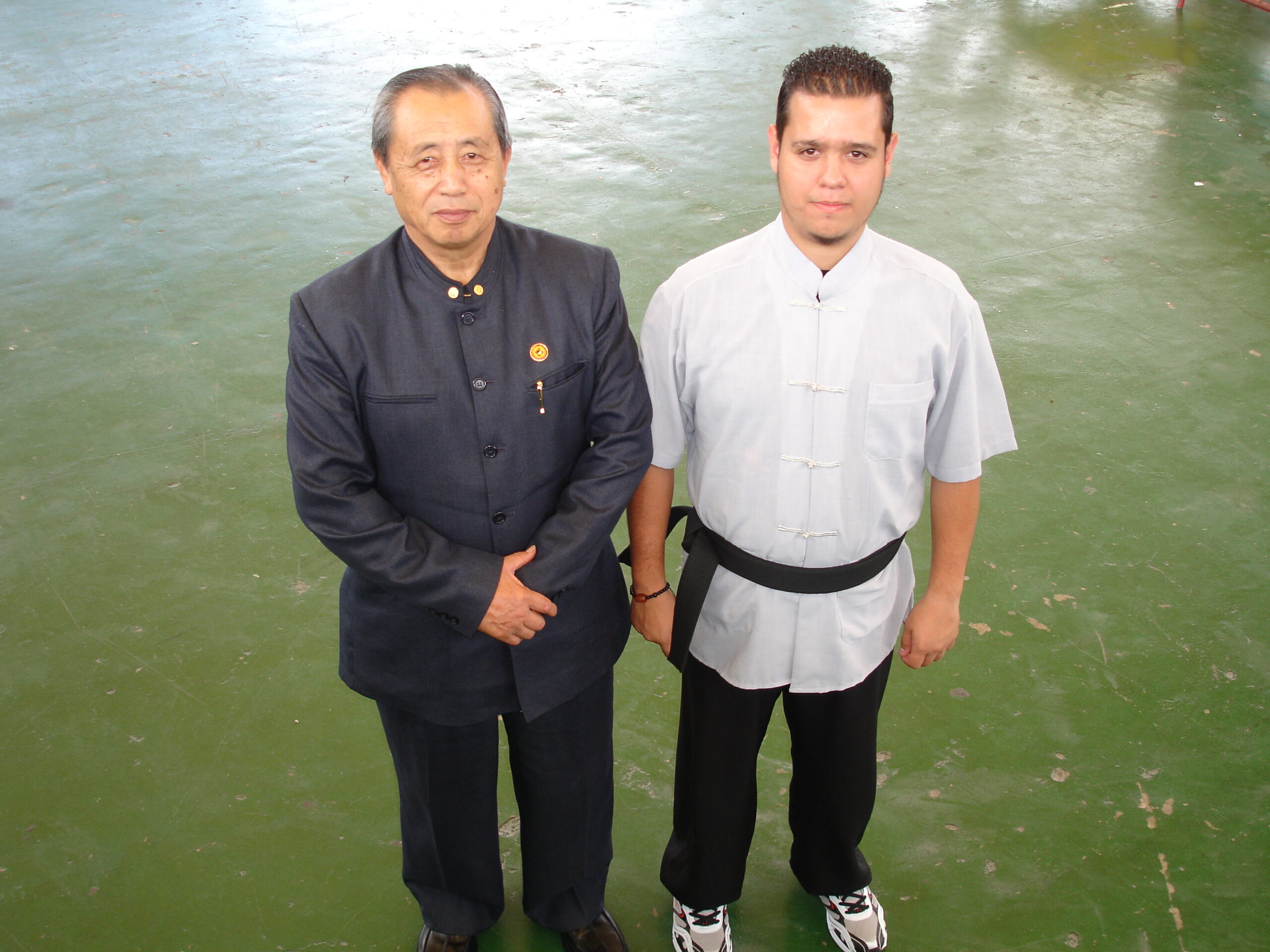
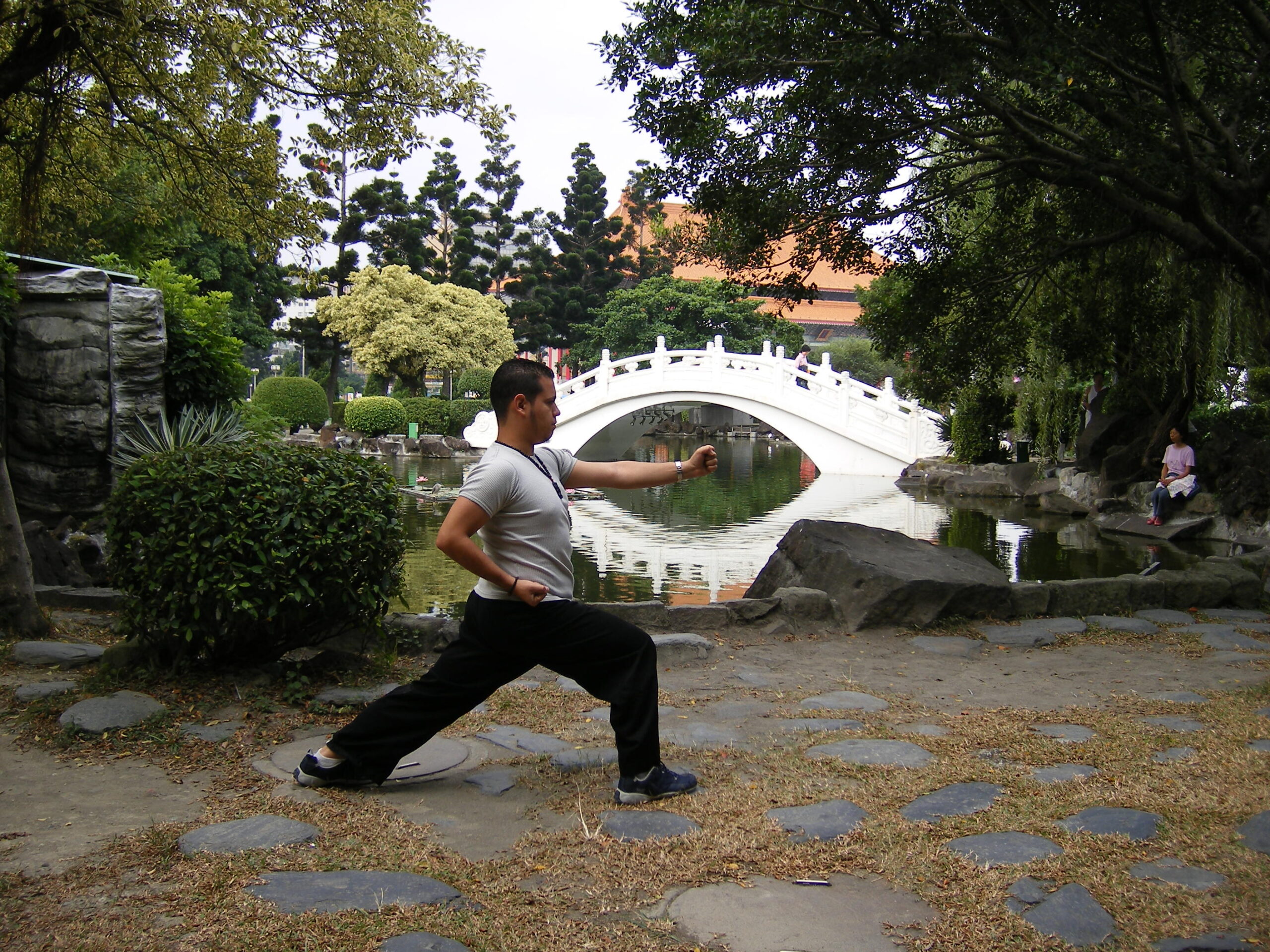
In 2006, Luis Mendez made his first journey to Taiwan — traveling to Taipei to train directly under Grandmaster Dài Shìzhé 戴士哲, the source of the entire transmission he had received through Master Yuri Jimenez. He spent the entire summer in intensive practice with Grandmaster Dài and his students at the Normal University of Taiwan in Taipei, and at the Yun Hai Villa, Master Dai's house, deepening his understanding of the system at its highest available level. He returned in 2008 for a second extended period of training — further consolidating his grasp of the arts and the philosophical and ceremonial dimensions of the tradition.
These visits were not merely technical pilgrimages. They established a direct personal relationship between Luis and his Shīyé (師爺 — teacher's teacher), confirmed his standing within the lineage at the highest institutional level, and brought back to Venezuela — and eventually to The United States — an understanding of the tradition that had been transmitted face-to-face, at the source, in Taiwan.

Normal University · Taipei
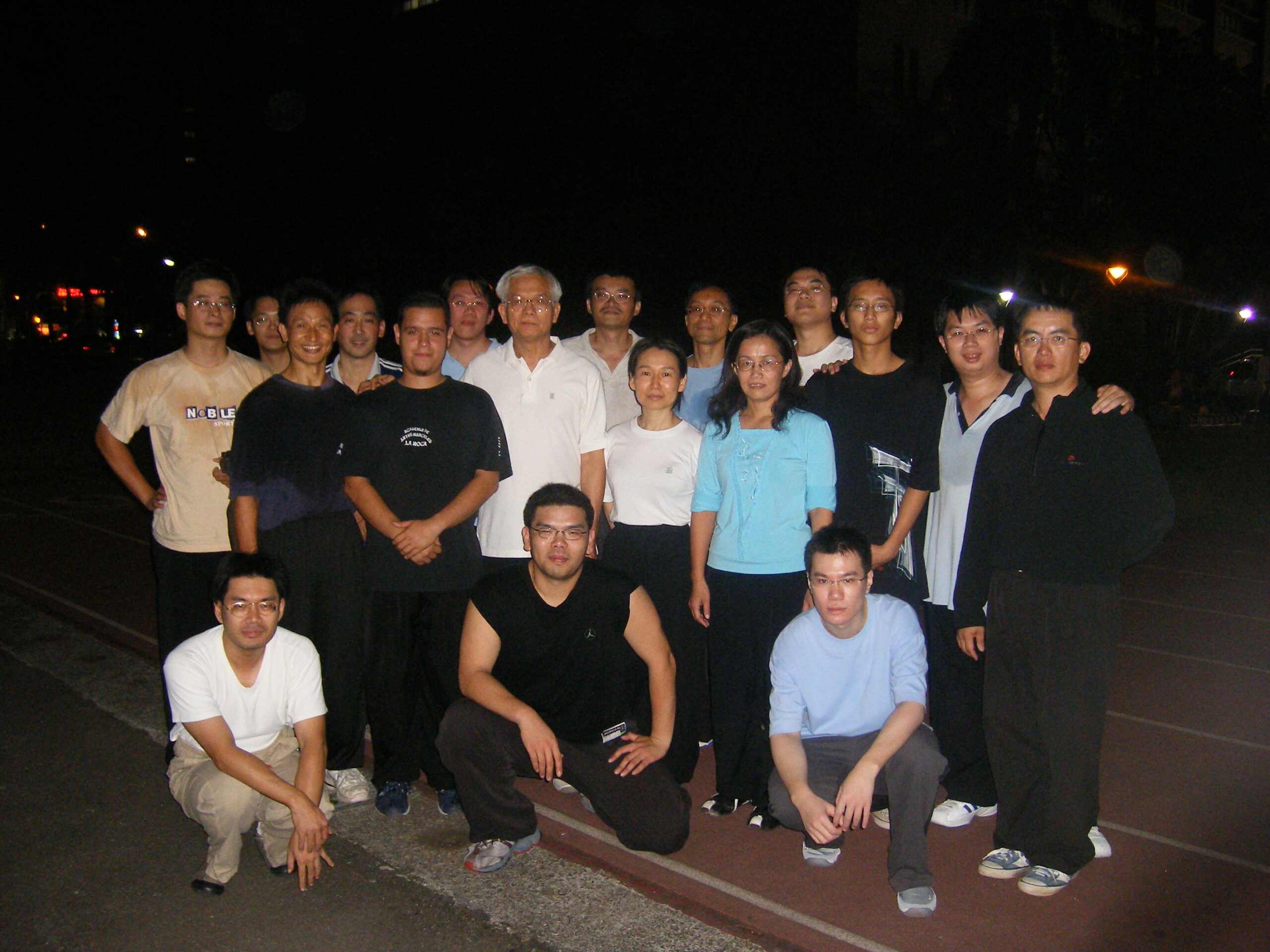
Normal University · Taipei

with GM Dài Shìzhé
The Bàishī — Renewing a Ceremony That Had Been Suspended
The story of Luis Mendez's Bàishī ceremony is also the story of the resumption of a suspended tradition. After Grandmaster Dài Shìzhé left Venezuela in 1989, formal discipleship ceremonies had ceased — with only a single ceremony having been held by one of his disciples in that same year, following four groups of disciples in the preceding years. For nearly two decades, no further Bàishī had taken place within the Venezuelan Wu Tan community.
That changed following Luis Mendez's first visit to Taiwan in 2006. During that trip, Grandmaster Dài conveyed a clear message to his Venezuelan disciples: they were to accept their most advanced students into the formal discipleship relationship, and to continue the tradition as it had been passed down. The instruction was direct and unambiguous — the chain of transmission was to be maintained through the proper ceremony, not merely through informal teaching.
A few months later, on May 27, 2007, the first Bàishī ceremony in nearly twenty years took place — held at the current headquarters of the La Danza del Dragón school in Caracas. Two groups participated simultaneously: students of Master Yunnis Zapata and students of Master Yuri Jimenez, including Luis Mendez. The ceremony was attended by other disciples of Grandmaster Dài Shìzhé as honored guests, and was directed by Master Fú Sōng Nán (傅松南). Following this ceremony, other disciples of Master Dài began conducting their own Bàishī ceremonies as well — the tradition, once renewed, spread through the entire Venezuelan Wu Tan community.

Beyond the Martial Arts — A Multi-Disciplinary Scholar
Shifu Luis Mendez's formation extends well beyond the martial arts hall. He holds a Juris Doctor degree and has served as a university professor of Philosophy and Political Economy — disciplines that have sharpened his capacity for systematic thinking, historical analysis, and the kind of rigorous inquiry that distinguishes serious transmission from superficial imitation. He also graduated as a licensed practitioner of Traditional Chinese Medicine from the Tao Te King Institute of Chinese Medicine in Caracas — giving him a clinical understanding of the body that directly informs his approach to movement, structure, and internal cultivation in the martial arts. Since 1999, he has maintained a continuous practice of Taoist cultivation, integrating internal development with martial training in the classical Chinese tradition.
Tao Te King Institute · Caracas
Continuous since 1999
Traditional Tea Ceremony
Research, Preservation & Authentic Transmission
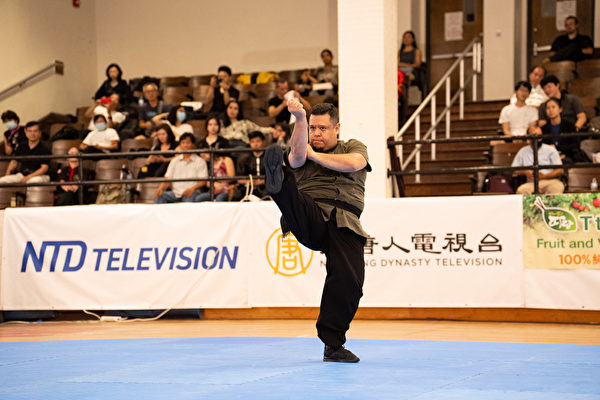
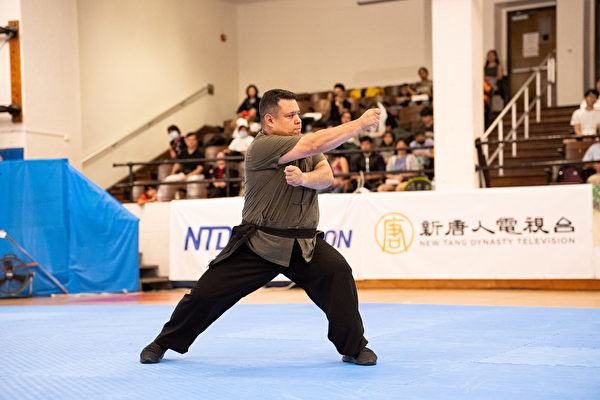
Throughout a competitive career that has earned medals at the state, national, and international levels in both forms and combat Kung Fu, Shifu Luis Mendez's deepest commitment has always been directed not toward trophies, but toward something more enduring: the research, preservation, and authentic transmission of traditional Chinese martial arts as they were passed down by previous generations.
His more than twenty years of teaching encompass the full breadth of the Chinese martial arts: forms, combat applications, weapons, and Chinese wrestling (Shuāi Jiāo 摔跤), among others. He has also been an active organizer of national and international exhibitions and competitions — contributing to the visibility and institutional life of traditional Chinese martial arts in both Venezuela and the United States.
Shifu Mendez is deeply committed to preserving traditional styles exactly as they were transmitted by the predecessor masters — without simplification, modernization, or compromise — while simultaneously developing thoughtful methodological approaches to teaching them to students of all ages and backgrounds. His approach adapts to each individual's aptitude and learning style without ever compromising the integrity of the system being transmitted. The standard does not change; only the path to it varies.
A Life in the Martial Arts