"No fist, no intent — within no-intent lies the true intent."
— Li Luoneng 李洛能, Founder of Xing Yi Quan
What the Name Reveals
The three characters of 形意拳 (Xíng Yì Quán) encode the art's entire philosophy. Xíng (形) means "form" — the external manifestation of movement, the body taking on the qualities of animals, elements, and natural forces. Yì (意) means "intent" or "mind-will" — the internal directive power that precedes and governs all physical action. Quán (拳) means "fist." Together: the fist in which outer form and inner intent are unified as one.
The name encapsulates the art's foundational demand: that no technique is practiced as mere physical movement, and no mental intent is cultivated apart from its physical expression. Form without intent is hollow gymnastics. Intent without form is formless dreaming. The entire purpose of Xing Yi Quan's training — from the most basic three-body posture (sāntǐ shì 三體式) through the five elemental fists and twelve animal forms — is to forge these two dimensions into a single inseparable reality.
The art was originally called 心意六合拳 (Xīn Yì Liù Hé Quán — "Heart-Intent Six-Harmony Fist") by its progenitor Jī Jìkě. The "six harmonies" (liù hé 六合) described the art's organizing principle: three internal harmonies (heart-with-intent, intent-with-energy, energy-with-force) and three external harmonies (shoulder-with-hip, elbow-with-knee, hand-with-foot). When Li Luoneng restructured and renamed the art in the mid-19th century, he shifted the emphasis from xīnyì (心意 — heart-intent) to xíngyì (形意 — form-intent), affirming the unity of inner and outer. The six-harmony principle remained embedded in the art's every movement.
From Spear to Fist: The Creation of an Art
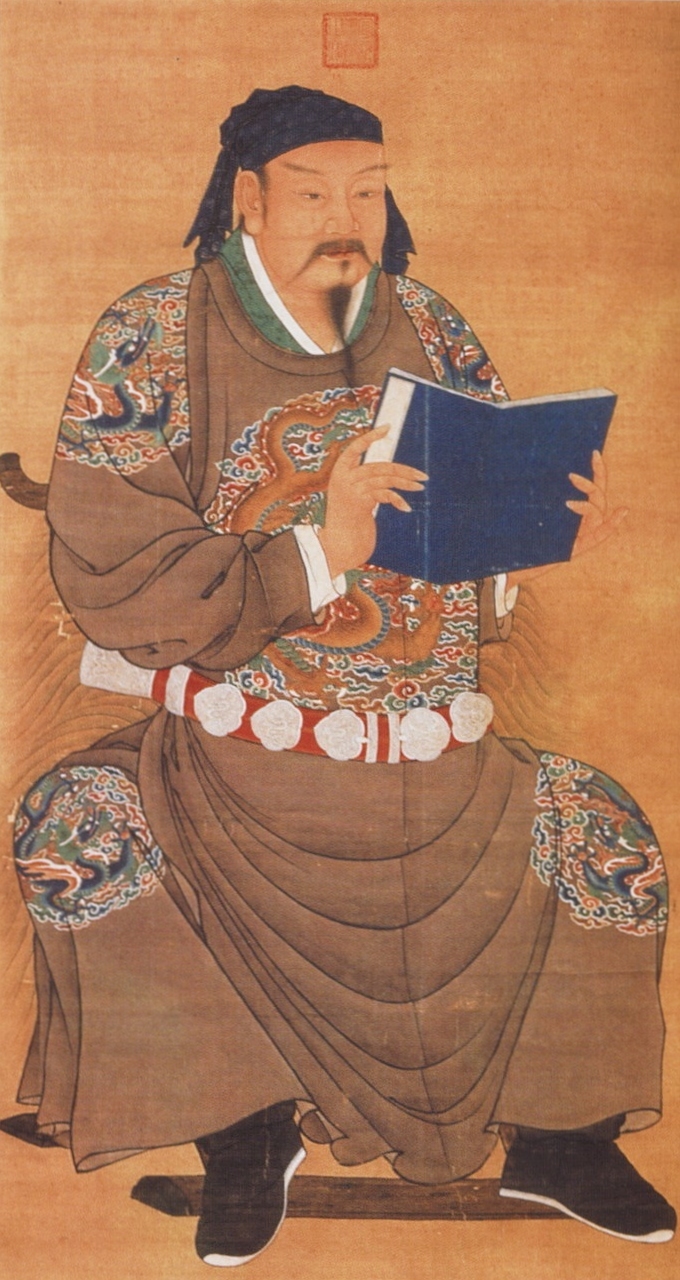
Xing Yi Quan honors Yuè Fēi (岳飛, 1103–1142), the legendary Song Dynasty general, as its spiritual founding ancestor. The tradition holds that Yue Fei — an unparalleled master of the spear — created a fist system by "drawing the spear into empty hands" (tuō qiāng dāng quán), distilling spear combat into unarmed technique. The spear connection remains visible in the art's postures, its forward-driving momentum, and the legendary phrase: qǐ rú fēng, luò rú jiàn — "rise like wind, fall like an arrow."
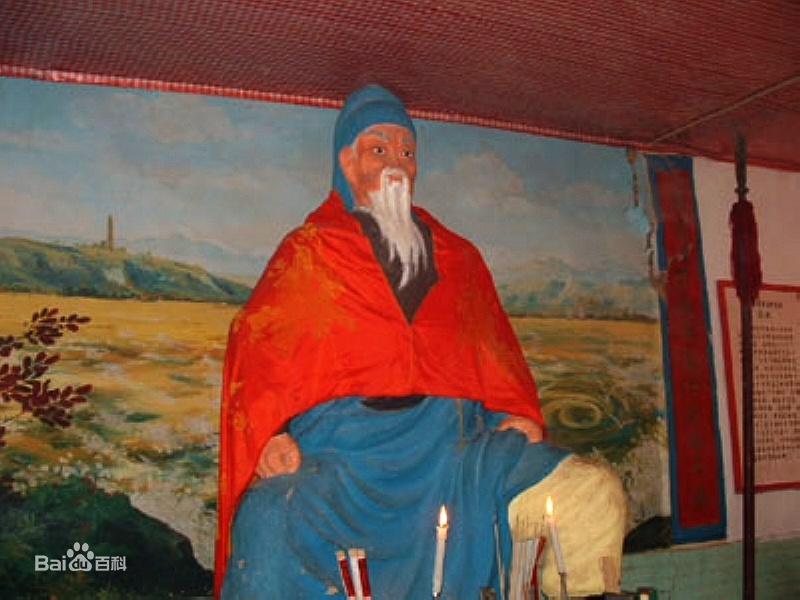
The historically traceable origin begins with Jī Jìkě (姬際可, 1602–1683), a native of Puzhou, Shanxi, and master of the Six-Harmony Spear. After visiting the Shaolin Temple in Henan and observing two roosters fight, he synthesized the temple's five animal forms with his spear methodology and Daoist principles to create Xīn Yì Liù Hé Quán (心意六合拳). He transmitted it to two main lines: Cáo Jìwǔ toward Shanxi and the Dai family; and Mǎ Xuélǐ toward the Hui communities of Henan where an ancient variant survives to this day.
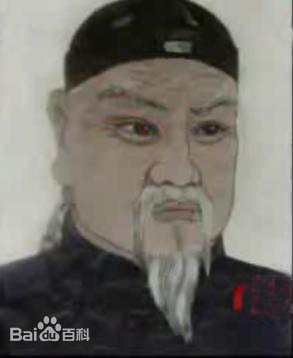
The pivotal figure in the art's transformation was Lǐ Luònéng (李洛能, c. 1808–1890), known as "Divine Fist Li." After a decade studying the Dai family's Heart-Intent Fist in Shanxi, he returned to Hebei and restructured the art — creating the three-body stance, systematizing the Five Element Fists, expanding the animal forms to twelve, and renaming the art 形意拳. He formally began transmitting it around 1845, opening it far beyond secretive family transmission and establishing the two great branches: the Shanxi (small-frame) and Hebei (large-frame) lines.
The Five Elements & Twelve Animals
Xing Yi Quan's technical system is organized around two frameworks from Chinese natural philosophy: the Five Elements (wǔ xíng 五行) and the Twelve Animals (shí'èr xíng 十二形). These encode distinct biomechanical structures, power qualities, and combat strategies in nature-derived imagery.
The twelve animal forms — Dragon (龍), Tiger (虎), Monkey (猴), Horse (馬), Alligator (鼉), Rooster (雞), Swallow (燕), Sparrowhawk (鷂), Snake (蛇), Eagle (鷹), Bear (熊) and Tai (鮀) — each encode a specific combat quality and biomechanical training intention. Together the twelve animals give the practitioner a complete vocabulary of movement qualities that the five element fists alone cannot provide.
Shanxi & Hebei: The Two Frames
From Li Luoneng's eight principal disciples emerged two distinctly characterized branches — shaped by geography and the personal genius of their inheritors. Both trace directly to the same source, yet their training emphases and movement qualities are measurably different.
The Unbroken Line
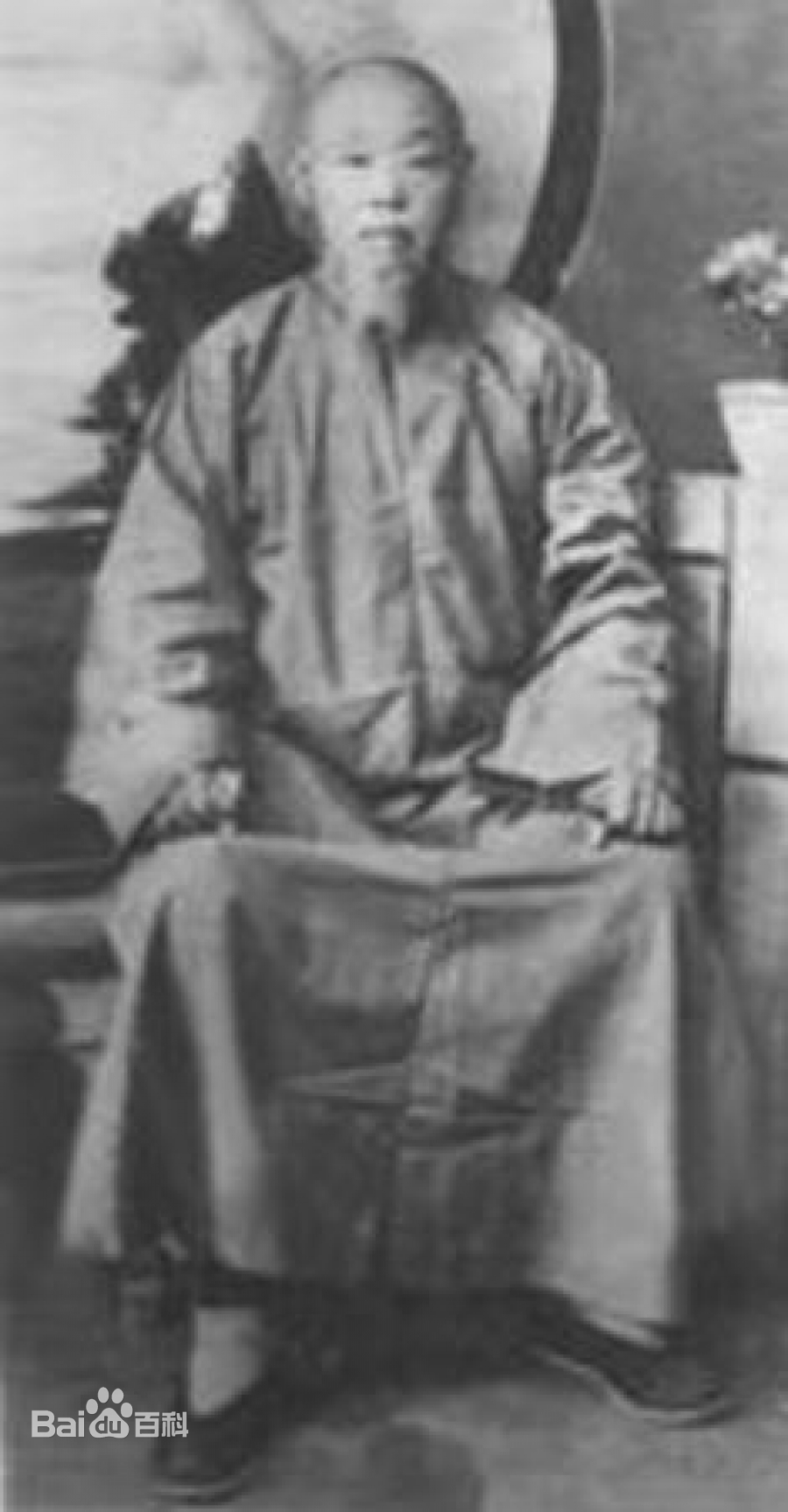
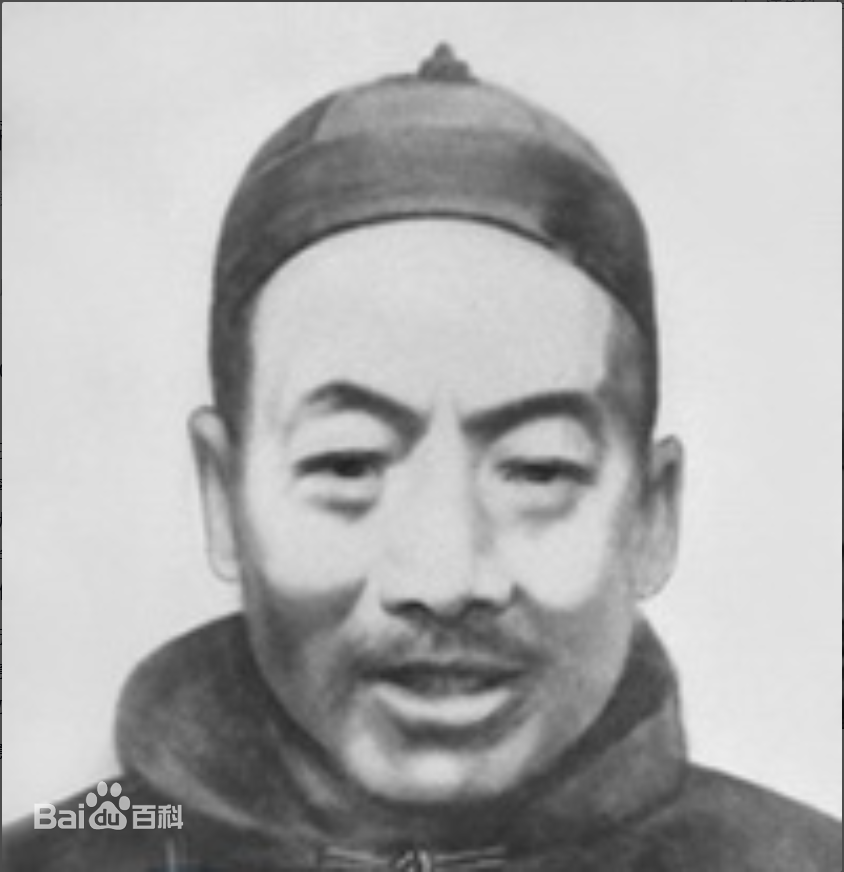
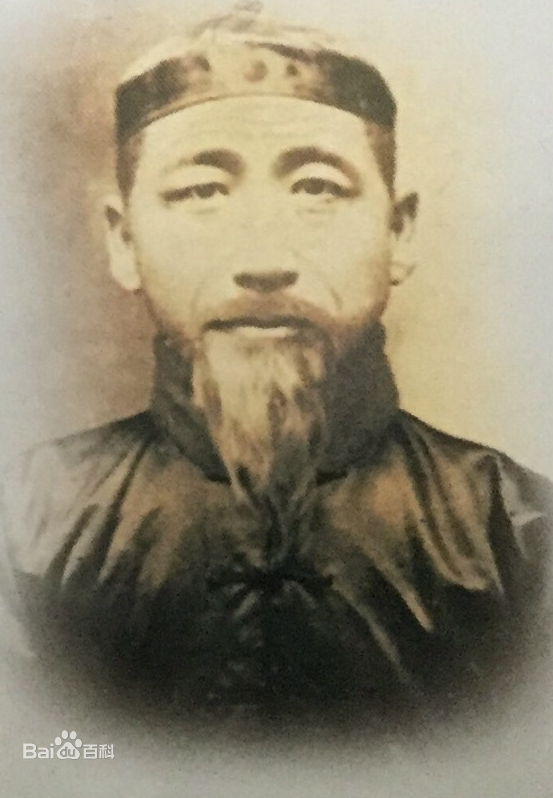
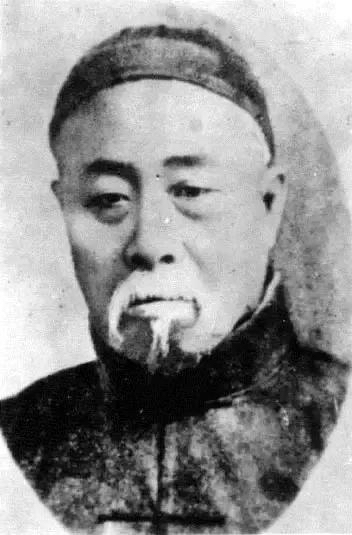
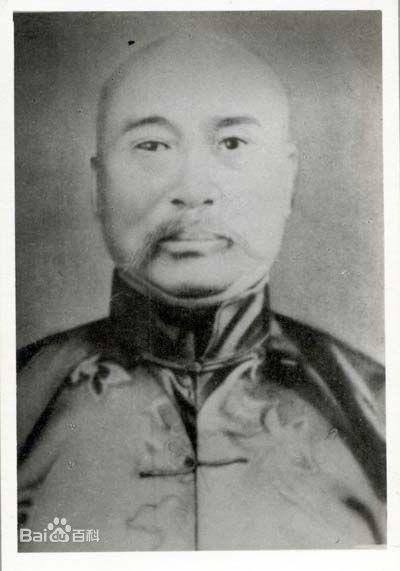
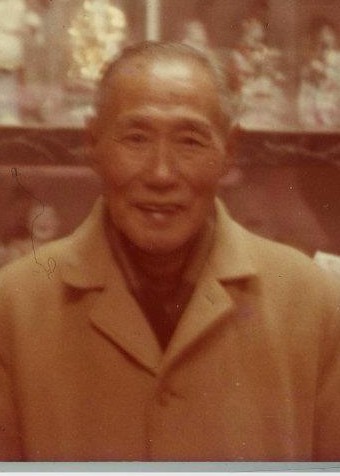
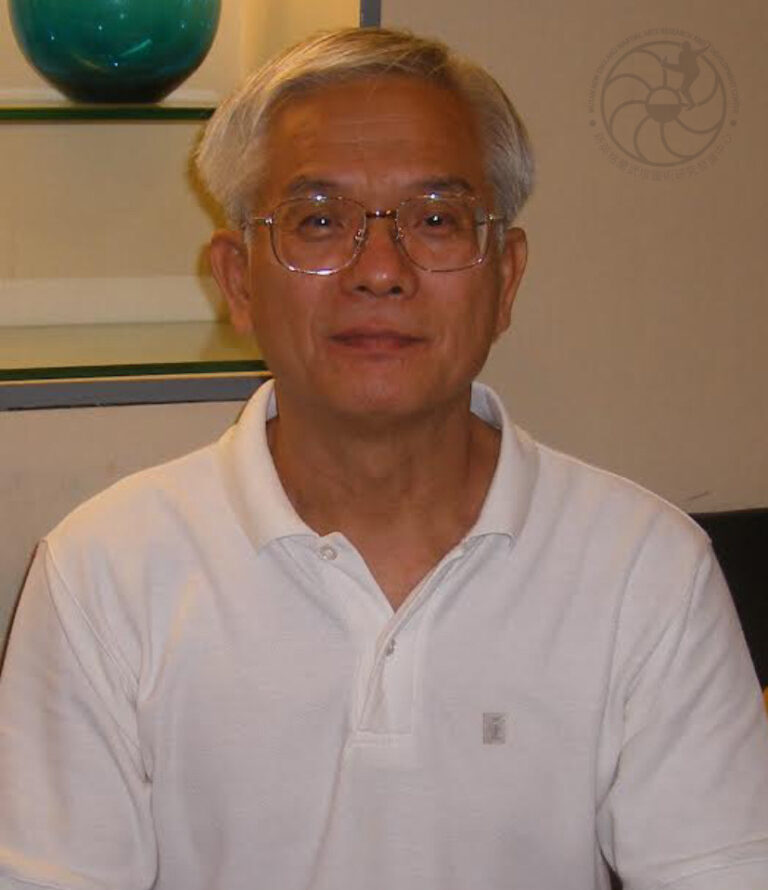
This is the specific chain through which Shang-style Hebei Xing Yi Quan reaches us today — a lineage integrating Li Luoneng's Hebei large-frame system, Guo Yunshen's personal smashing-fist teaching, Li Cunyi's institutionally refined combat Xing Yi, and Shang Yunxiang's extraordinary lifetime synthesis.


What Makes Shang-Style Distinct
Within the Hebei Xing Yi tradition, Shang-style (尚派形意拳) is recognized as a distinct branch not because it changed the foundational curriculum — the three-body posture, five elements, twelve animals, and key solo and partner forms remain — but because Shang Yunxiang's personal synthesis produced a recognizable quality of movement and power that his students describe as unique.
The most discussed quality is the "light and floating footwork" paradox (輕靈步法). Shang Yunxiang moved with unusual lightness and apparent ease — almost floating — yet when his techniques arrived they carried his legendary "iron-foot" power. This paradox of appearing light while delivering heavy represents the highest expression of the internal principle: "heavy must appear light, and light must deliver heavy." His students report that one could not detect the explosive moment coming; it simply arrived.
The second distinguishing quality is the depth of smashing-fist cultivation. Having received both Li Cunyi's systematic transmission and Guo Yunshen's direct personal teaching of bēng quán, Shang produced a generation that could truly claim the inheritance of "half-step smashing fist traverses all under heaven."
Third: the Five-Element Saber (五行刀法) — the weapons form Shang Yunxiang taught to the 29th Army in 1931, used against Japanese troops at the Battle of Xifengkou (喜峰口) in 1933. One of the most documented applications of traditional martial arts in modern warfare.
From Spear to Fist to the World
形意拳 · Xíng Yì Quán · The Fist of Form and Intent
Lineage: Yuè Fēi 岳飛 → Jī Jìkě 姬際可 → Cáo Jìwǔ 曹繼武 → Dài Lóngbāng 戴龍邦 → Lǐ Luònéng 李洛能 →
Liú Qílán 劉奇蘭 & Guō Yúnshēn 郭雲深 → Lǐ Cúnyì 李存義 → Shàng Yúnxiáng 尚雲祥 → Sāng Dānqǐ 桑丹棨 →
Dài Shìzhé 戴士哲 → Yuri Jimenez → Luis Mendez
Shang-Style Hebei Branch (尚派河北形意拳) · Wu Tan System (武壇系)
Historical sources: 中國非物質文化遺產數字博物館 · 香港01武備志 · 中華易宗內家武學研究會(台灣)·
知乎形意拳史料 · 百度百科形意拳 · 形意拳的源流(chinulture.com)· 博客來《李存義岳氏意拳》