Generations in Chinese Martial Arts & Wu Tan
中國武術的傳承與世代Lineage, Generations & the Family of the Art
Chinese martial arts traditionally preserve knowledge through lineage and generations — a system that identifies the relationship between teachers, disciples, and the transmission of the art across time. In classical styles such as Baji Quan, Praying Mantis Kung Fu (Táng Láng Quán), or Bāguà Zhǎng, generations function much like a family genealogy. A practitioner's generation is determined by their direct teacher, and this establishes their place within the historical lineage of that specific style.
This traditional system reflects the deeply personal teacher-disciple relationship that has always been at the heart of Chinese martial culture. To know a practitioner's generation is to know their place in the living history of the art — who taught them, who taught their teacher, and how far back the chain of transmission reaches.
The Wu Tan (武壇) system, created by Liu Yun Qiao, follows a different but complementary structure. Rather than representing a single martial lineage, Wu Tan was established as an organization dedicated to preserving and promoting multiple traditional Chinese martial arts. For this reason, Wu Tan uses its own organizational generational sequence, derived from the characters of its name and mission, to identify practitioners within the Wu Tan community worldwide.
Because these two systems serve different purposes, they are not mutually exclusive. A practitioner may simultaneously belong to a traditional generational lineage within a specific martial art — for example in Baji Quan or Praying Mantis Fist — while also belonging to a generation within the Wu Tan organization. The traditional lineage identifies one's place in the historical transmission of the art itself, while the Wu Tan generation reflects one's position within the broader organization founded to promote and preserve those arts.
Understanding this distinction helps clarify an important point: Wu Tan generations do not replace or alter traditional lineages. Instead, they exist alongside them, representing the organizational structure through which the teachings of masters such as Liu Yun Qiao have been preserved and shared internationally.
The Bàishī Ceremony — 拜師
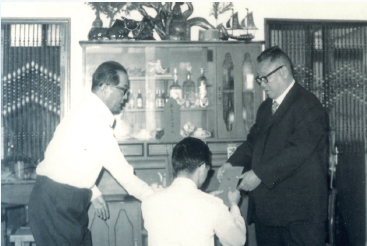
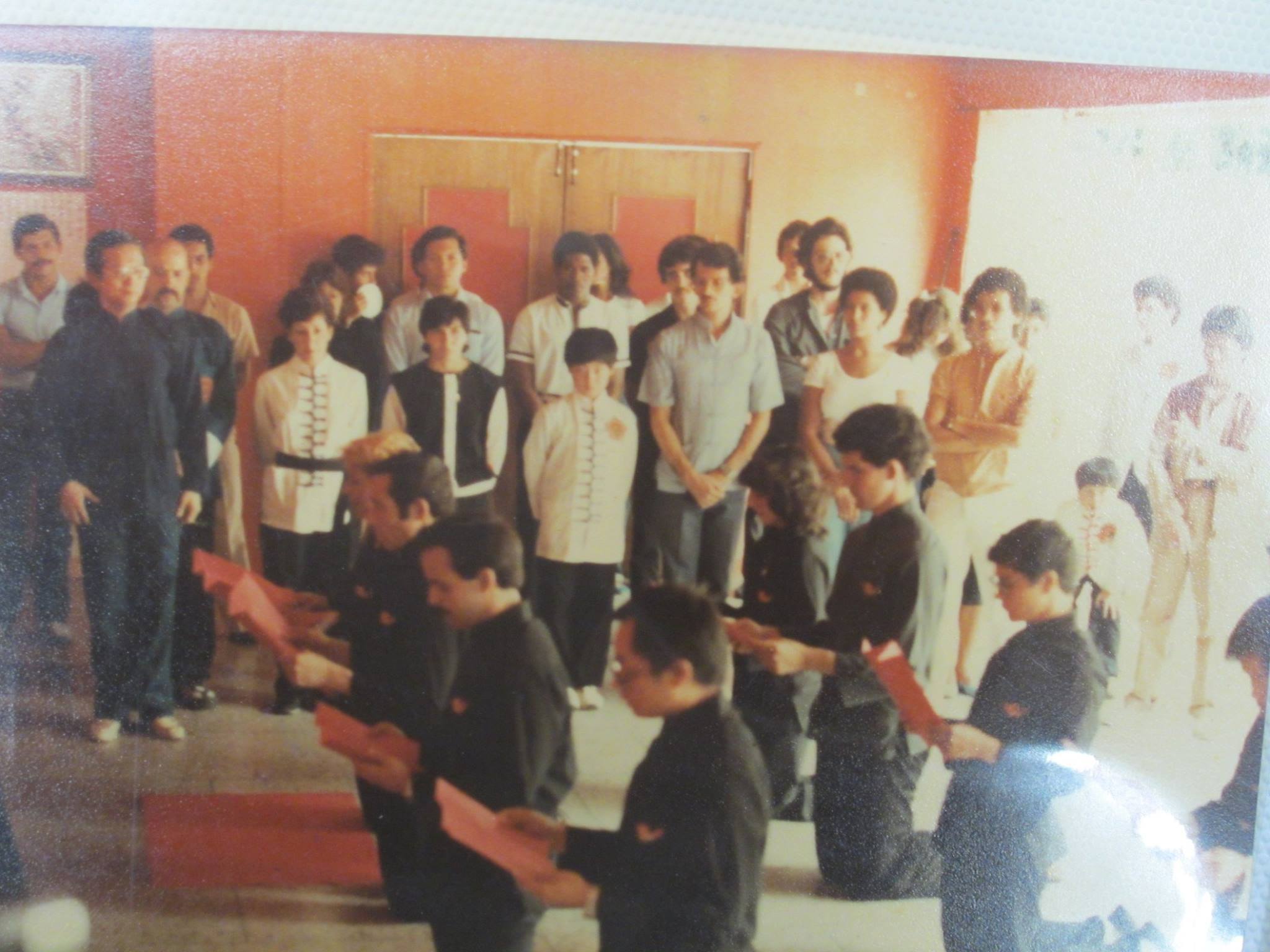
In traditional Chinese martial arts, becoming part of a generational lineage — whether within a specific style such as Baji Quan or Praying Mantis Fist, or within the Wu Tan organization — traditionally requires formal acceptance by a teacher through a Bàishī (拜師) ceremony. Bàishī literally means "to bow and acknowledge a teacher," and it is a traditional ritual in which a student formally becomes a disciple.
During the ceremony, the student offers respect to the teacher and the lineage, symbolically and formally entering the martial family. From that moment, the disciple is recognized as part of the lineage and is assigned a generational position within that tradition or organization. The Bàishī ceremony emphasizes the values of respect, commitment, and responsibility that are central to the transmission of Chinese martial arts — values that distinguish a formal disciple from an ordinary student.
The Wu Tan Generational Poem
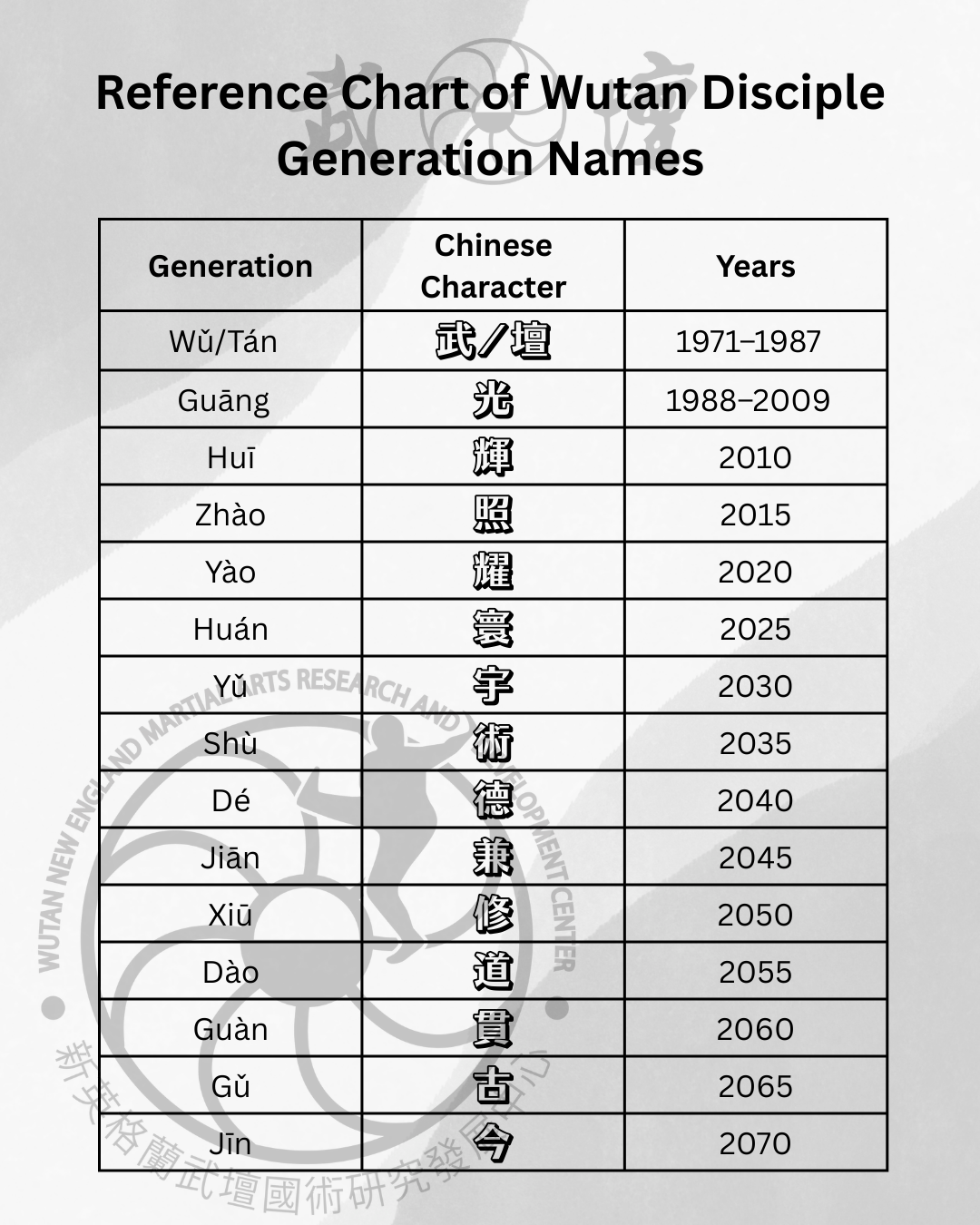
The Wu Tan organization names its disciples' generations according to a classical Chinese poem, with each successive generation taking one character from the verse as its generational marker. The poem reads:
cultivating both martial skill and virtue together,
the Way connects the past and the present."
Each generation uses one of the poem's characters as its generation marker, associated with the years in which that generation began. The full sequence runs:
Three Classical Principles Embedded in the Sequence
The Wu Tan generational poem is not merely a sequence of characters for organizing disciples. It is a deliberate philosophical statement — a set of guiding principles that Liu Yun Qiao embedded into the very structure of the organization. The poem is built around three classical foundations of traditional Chinese martial culture:
The first part of the poem emphasizes the practice and transmission of martial arts themselves. This reflects Liu Yun Qiao's mission to preserve all the traditional systems during a time when many classical teachings were disappearing in mainland China. Skill must be practiced, transmitted, and kept alive — not merely recorded or described.
The middle section — shù dé jiān xiū (術德兼修) — literally means "to cultivate skill and virtue together." In traditional martial culture, technical ability alone is not considered sufficient. Practitioners are expected to develop discipline, humility, loyalty, and moral character alongside their martial training. The two cannot be separated.
The final phrase — dào guàn gǔ jīn (道貫古今) — reflects a deeper philosophical idea: the martial arts are part of a cultural tradition that connects past and present generations. The Dào here represents the continuity of knowledge and values passed from teacher to disciple across time, forming a living thread that cannot be broken.
By embedding these ideas into the generational poem, Liu Yun Qiao created more than an organizational system. The poem acts as a guiding principle for the entire Wu Tan community, reminding each generation that the purpose of training is not only to learn techniques, but also to preserve the spirit, ethics, and cultural heritage of Chinese martial arts. In this way, every new generation within Wu Tan symbolically continues the mission of keeping the tradition alive while transmitting it to the future.